Why Your Furnace Keeps Turning On and Off and How to Fix It
Loading content…
Loading content…



It’s a cold day, and you’re relying on your furnace to keep your home cozy. But you keep hearing it: the furnace kicks on, runs for just a few minutes, then shuts off. A short while later, it repeats the process. And again. This frustrating pattern is known as "short cycling," and it’s more than just an annoyance—it's a warning sign from your heating system.
A furnace that short cycles isn’t just failing to heat your home effectively; it's also working overtime. This inefficiency can drive up your energy bills, cause premature wear and tear on expensive components, and ultimately lead to a major breakdown. In fact, according to the U.S. Department of Energy, heating accounts for a significant chunk of a typical home's energy use, and an inefficient system only makes that cost higher.
The good news? Many of the most common causes of furnace short cycling are surprisingly simple to diagnose and fix yourself. You don’t need to be an HVAC expert to solve the problem.
Think of me as your friendly expert on the other end of the line. Let’s walk through the troubleshooting steps together, from the easiest checks to the slightly more hands-on fixes, and get your furnace back to running smoothly.
Before we dive into the fixes, let's understand the main culprits. A furnace is designed to run in longer, controlled cycles to bring your home to the desired temperature. When it shuts off prematurely, it's usually because a safety feature has been triggered or the system is receiving a faulty command.
The most common reasons for this include:
Ready to roll up your sleeves? Let’s start with the simplest fix.
Your thermostat tells your furnace when to turn on and off. If it's giving the wrong signals, your furnace won't work correctly. Let’s make sure everything is in order here first.
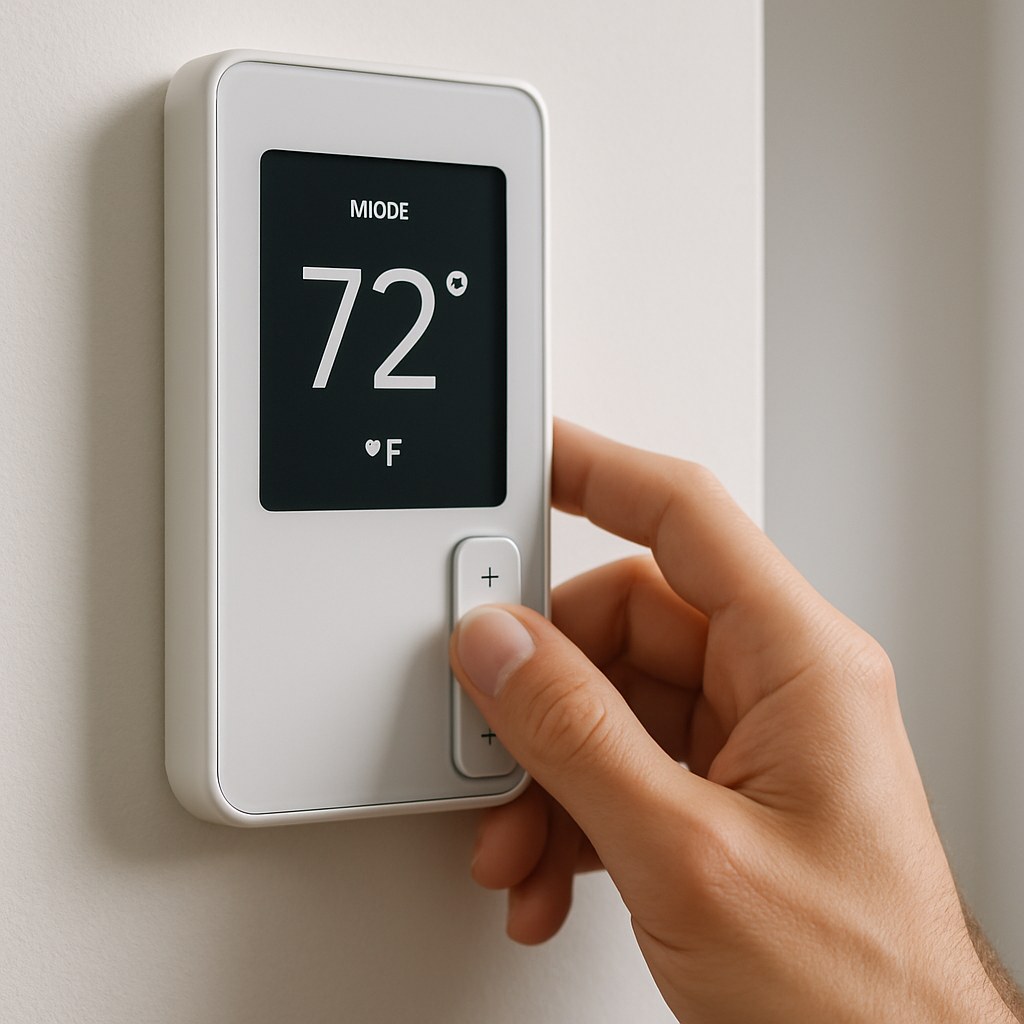
This might seem obvious, but it’s always the best place to start.
If it still short cycles, the problem might be a bit deeper.
Does the thermostat screen flicker or go blank right when the furnace shuts off? That’s a classic sign of a loose connection. A poor wire connection can interrupt the signal between the thermostat and the furnace, causing it to shut down.
Safety First! Before you touch any wires, you must turn off the power to your furnace and thermostat.
If you’ve adjusted the settings and secured the wiring but the issue persists, it's time to check for the number one cause of short cycling: airflow.
Your furnace needs to breathe. It pulls in cool air from your home, heats it, and pushes it back out through the vents. If that flow of air is blocked, heat gets trapped inside the furnace. A safety device called the high-limit switch will detect the overheating and shut the system down to prevent a fire or damage.
A clogged air filter is by far the most common cause of restricted airflow. Over time, it gets saturated with dust, pet dander, and other debris, effectively suffocating your furnace.
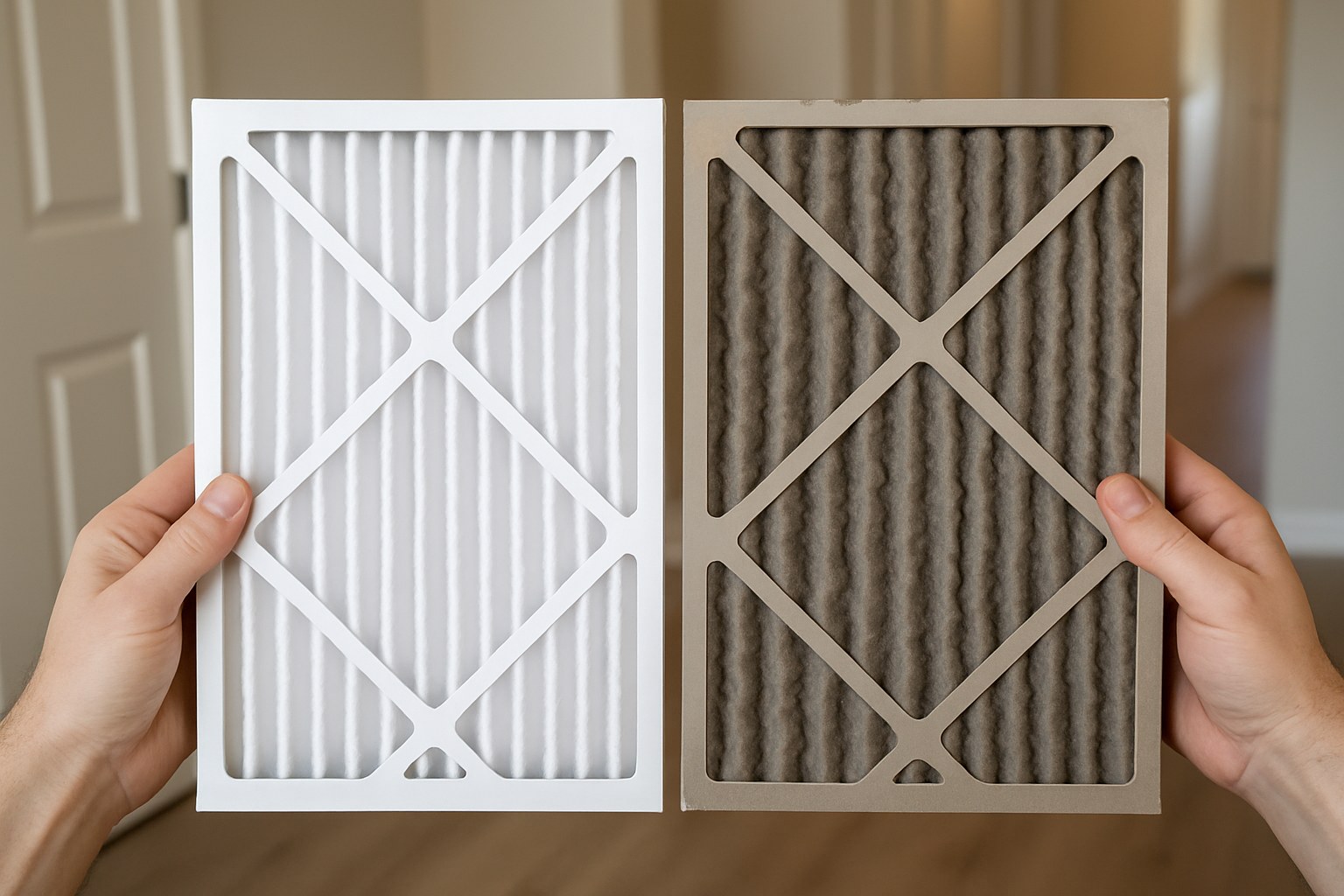
How to Check and Replace Your Furnace Filter:
Pro Tip: You should be replacing your furnace filter every 1-3 months. If you have pets or live in a dusty area, check it monthly.
If the filter is clean, the next thing to check is your air vents. It's a common myth that closing vents in unused rooms saves energy. In reality, it disrupts the air pressure balance your HVAC system was designed for, which can lead to—you guessed it—overheating and short cycling.
After ensuring all vents are open and clear, test your furnace again. If it's still short cycling, and you have a gas furnace, our next step is to clean a crucial safety part.
If your furnace fires up, runs for a minute or two, and then shuts off, a dirty flame sensor is a very likely culprit. This small metal rod acts as a safety device. Its job is to confirm that there is actually a flame burning when the gas valve is open. If it's covered in carbon buildup, it can't sense the flame, and the furnace's control board will shut off the gas to prevent a dangerous leak.
Safety Double-Check! This fix requires you to work inside the furnace. You must turn off both the electricity and the gas supply before you begin.
If you’ve gone through all the steps above and your furnace is still short cycling, the problem is likely a more complex mechanical or electrical issue that requires a professional.
Call a trusted HVAC technician if:
Hiring a professional for a furnace repair can cost anywhere from $150 to $500 on average, depending on the part that needs fixing, according to sources like Forbes Home. While it's an expense, it's a worthwhile investment in your home's safety and comfort.
Fixing a short cycling furnace is a great DIY project that can save you money and give you a better understanding of how your home works. By following these steps, you can tackle one of the most common heating problems with confidence.
For more easy-to-follow guides on everything from plumbing to electrical work, download the Casa app today. Casa puts expert advice in the palm of your hand, helping you manage, maintain, and repair your home like a pro. And when you run into a job that's too big to handle, Casa can connect you with vetted, local professionals to get it done right.