Finding a rat in your house is more than just a little unsettling—it’s a moment that can send a shiver down your spine. Your mind immediately races: Is it just one? Are there more? How did it get in? But before you panic, take a deep breath. You’ve come to the right place.
Seeing a rodent is a surprisingly common issue for homeowners. In fact, a 2021 American Housing Survey by the U.S. Census Bureau revealed that nearly 15 million households reported seeing rodents in their homes. While common, it’s a problem that needs immediate attention. Rats aren't just unwelcome guests; they can pose significant health risks by spreading diseases and cause serious property damage by gnawing on everything from electrical wires to structural wood.
The good news is that you can absolutely handle this. The key is to act quickly and methodically. This guide will walk you through the process, just like a friendly expert on the phone, helping you determine if you're dealing with a single lost rat or the beginnings of an infestation, and what to do next.

Step 1: Assess the Situation Like a Detective
Okay, first things first. Before you can create a plan, you need to understand the scale of your problem. A single rat that accidentally wandered in requires a different approach than a family of rats that has set up a permanent residence. So, let’s put on our detective hats.
For safety, grab a pair of disposable gloves and a flashlight. You don’t want to touch anything directly, as rats can carry harmful bacteria. Go to the area where you saw the rat and start looking for other signs of activity. Here’s your checklist:
- Rat Droppings: This is the most common and obvious sign. Droppings from common house rats (like Norway or Roof rats) are dark, spindle-shaped, and typically about 1/2 to 3/4 of an inch long. Fresh droppings are dark and shiny, while older ones are gray and dusty.
- Gnaw Marks: Rats have constantly growing incisors, which means they chew on things to keep them filed down. Look for fresh gnaw marks on baseboards, door frames, plastic pipes, and especially electrical wiring.
- Nesting Material: Rats build nests in dark, secluded places using soft materials. Check behind appliances, inside cabinets, in the attic, or in crawl spaces for shredded paper, fabric, insulation, or cardboard.
- Scratching or Squeaking Noises: At night, when the house is quiet, you might hear scratching, scurrying, or squeaking sounds coming from inside the walls, in the ceiling, or under the floor.
- A Strange Musty Smell: Established rat infestations often create a distinct, unpleasant musky odor that comes from their urine and droppings.
After your initial search, ask yourself: Was this the first and only sighting, with no other signs? If the answer is yes, you might be dealing with a lone explorer. If you found droppings or other evidence, it’s time to dig a little deeper.
Step 2: Determine the Severity - Is It an Infestation?
If you found droppings or gnaw marks, your next step is to figure out how widespread the problem is. This will tell you whether a DIY approach is viable or if it’s time to call in the professionals.
Take your flashlight and inspect other key areas of your home, especially places with food sources or good hiding spots:
- The kitchen (check under the sink, behind the fridge, and in the pantry).
- The attic.
- The basement or crawl space.
- The garage.
As you inspect each area, look for the same signs as before. If you find evidence in more than one room, it’s a strong indicator that you have an active infestation. A single rat tends to stick to one area, but a colony will spread out.
Step 3: Fortify Your Home - Find and Seal All Entry Points
Whether you have one rat or several, they got in somehow. The single most important step you can take is to find and seal every potential entry point. A young rat can squeeze through a hole the size of a quarter, so you need to be thorough.
Tools You'll Need:
- Flashlight
- Work gloves
- Steel wool
- Silicone caulk or spray foam sealant
- Blue painter's tape (to mark spots)
Here's your action plan for "rat-proofing" your home:
- Inspect Inside and Out: Walk around the entire perimeter of your home's foundation. Look for any cracks or holes. Pay close attention to areas where utility lines (pipes, electrical, cable) enter the house. Check the seals around windows and doors, and look for gaps under garage doors.
- Mark Every Spot: Use your painter's tape to mark every single gap or hole you find, no matter how small. This ensures you don't miss any.
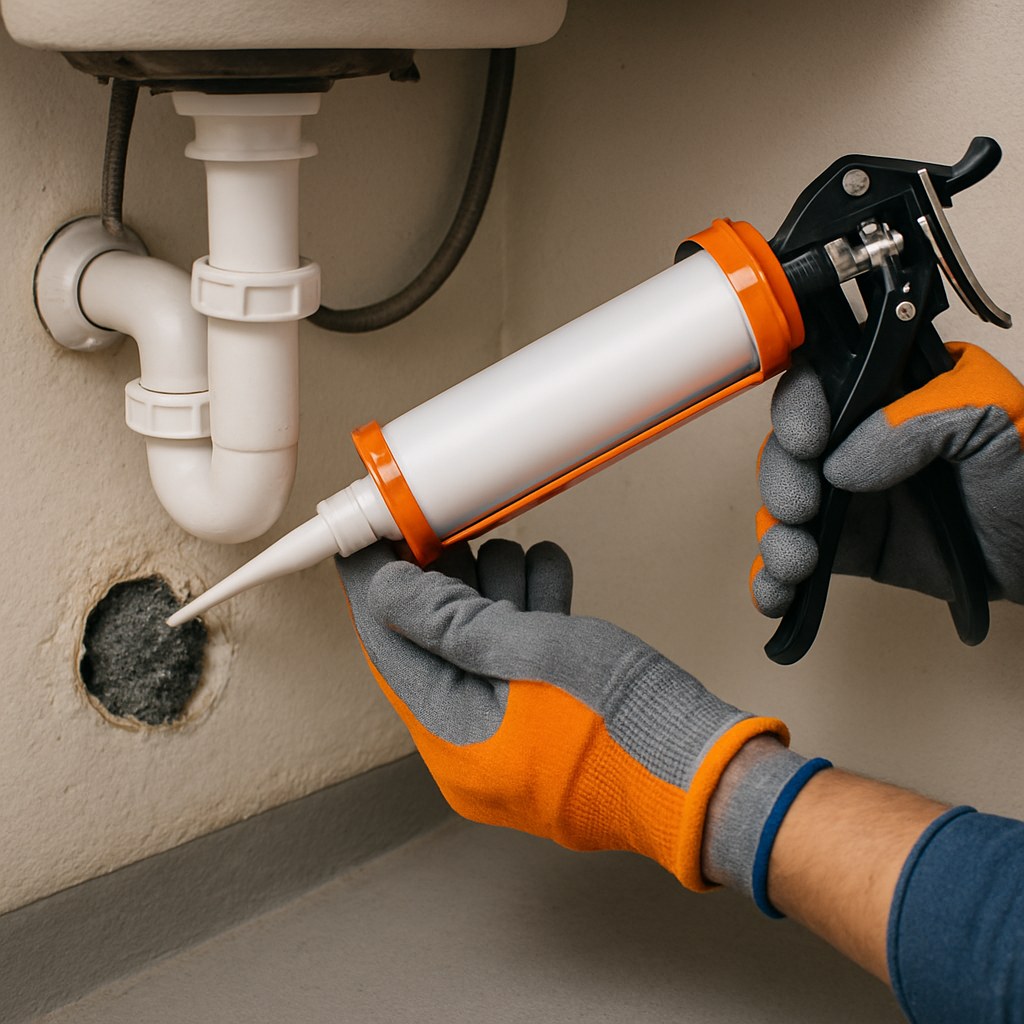
- Fill the Gaps: For each marked spot, stuff the hole tightly with steel wool. Rats can chew through almost anything—wood, plastic, even low-grade concrete—but they can't chew through steel wool.
- Seal It Up: After filling the hole with steel wool, seal over it with a layer of silicone caulk. This holds the steel wool firmly in place and creates an airtight, pest-proof barrier.
- Monitor Your Work: After sealing everything up, clean the area thoroughly. This will help you see if any new droppings appear, which would indicate a rat is still inside. Wait for at least 48 hours and keep a close eye out for any new signs of activity.
Step 4: If They're Already Inside - Trapping Your Unwanted Guest
If you've found evidence of an active infestation, sealing the entry points is only half the battle. Now you need to deal with the rats already inside. Trapping is the most effective and direct method for homeowners.
Choosing the Right Trap:
- Classic Wooden Snap Traps: These are inexpensive and highly effective. However, they can be dangerous for pets and small children and require careful handling.
- Tamper-Resistant Traps: These are snap traps enclosed within a plastic box. They are the safest option for households with pets or kids, as the trapping mechanism is not exposed. We highly recommend this type for peace of mind.
How to Set Traps Effectively:
- Bait Smart: You don’t need a lot of bait. A pea-sized amount of peanut butter, bacon grease, or chocolate works wonders.
- Placement is Everything: Rats are creatures of habit and distrust open spaces. They prefer to run along walls and baseboards. Place your traps perpendicular to the wall where you've seen signs of activity, with the baited end of the trap facing the wall.
- Use Multiple Traps: Don't rely on a single trap. For a single room, place at least three traps, spaced about 10 feet apart.
- Check Daily and Dispose of Safely: Check your traps every morning. If you've caught a rat, always wear disposable gloves. Place the entire trap and the rat into a plastic bag, seal it, and then place that bag into another one. Dispose of it in your outdoor trash bin immediately.
- Be Persistent: Reset the traps and continue this process for at least three nights, or until you go several days without catching any rats and see no new signs of activity.
When Is It Time to Call a Professional?
DIY methods are very effective for minor issues, but some situations are best left to the experts. If you’re facing a large, established infestation, calling a licensed pest control professional is the wisest and safest choice.
It’s time to make the call if:
- You continue to see fresh droppings or gnaw marks after sealing entry points and trapping for a week.
- You found evidence of rats in multiple rooms throughout your home.
- You hear persistent scratching and scurrying noises, especially during the day (which can indicate a large population).
- You’re simply not comfortable dealing with traps and dead rodents yourself.
Hiring a professional to handle a rat problem can cost anywhere from $300 to $600 for an initial visit and removal, according to Forbes Home. While it's an investment, it provides a comprehensive solution and invaluable peace of mind.

Take Back Your Home with Confidence
Discovering a rat in your house is stressful, but it's a problem with a clear solution. By following these steps—assessing the situation, sealing up your home, and setting traps correctly—you can effectively handle the issue and protect your home from future invaders.
Feeling overwhelmed? Home maintenance can be tricky, but you don't have to do it alone. Download the Casa app today! Our easy-to-follow guides can walk you through this and other home projects, and if you decide you need a pro, we can connect you with trusted, licensed pest control experts in your area. Take control of your home with Casa.