How to Install a Chimney Cap A DIY Guide
Loading content…
Loading content…



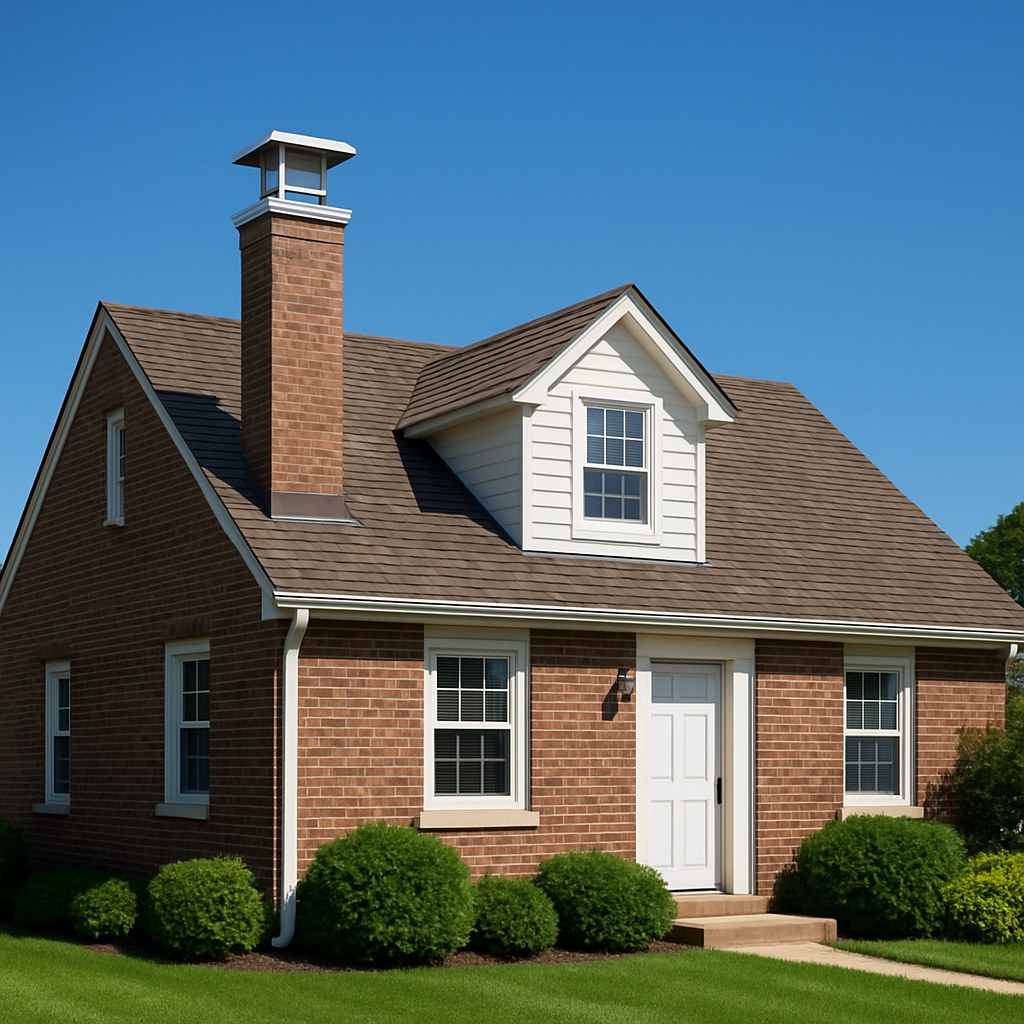
If you've ever looked up at your roof and noticed an open hole at the top of your chimney, you might have wondered if something was missing. The answer is a resounding yes. That missing piece is a chimney cap, and it’s one of the most important and affordable investments you can make for the long-term health and safety of your home.
A chimney without a cap is like a house without a roof—an open invitation for rain, snow, animals, and debris. These elements can cause thousands of dollars in damage over time, from rusted dampers and eroded masonry to dangerous flue blockages.
The good news is that installing a chimney cap is a straightforward project that many homeowners can tackle in an afternoon. This guide will walk you through every step, from the initial safety checks and inspection to the final installation. Let's get that chimney covered!
Before we grab the ladder, let's break down exactly what this small-but-mighty device does for your home. Understanding its function will make you feel even better about getting one installed.
It’s Your Chimney’s Raincoat: Water is the number one enemy of a masonry chimney. Rain and snow can seep into the mortar joints, and through freeze-thaw cycles, can cause the bricks to crack and crumble—a phenomenon known as "spalling." Water can also rust out your damper assembly, damage the flue liner, and even leak into your attic or ceilings, leading to wood rot and mold. A chimney cap deflects precipitation, keeping the entire system dry and structurally sound.
It’s a Wildlife Eviction Notice: To a squirrel, raccoon, or bird, an open chimney looks like the perfect place to build a nest. These animal intruders not only bring in flammable nesting materials like twigs and leaves, but their presence can lead to unpleasant odors, unwanted noises, and even insect infestations. A cap with a mesh screen acts as a humane barrier, keeping critters out for good.
It Prevents Dangerous Blockages: Falling leaves, twigs, and other debris can easily accumulate in an uncapped chimney. This buildup can create a dangerous blockage, preventing smoke and toxic gases like carbon monoxide from venting properly. This can cause smoke to back up into your home or, worse, lead to a chimney fire.
It Acts as a Spark Arrestor: The mesh screen on a chimney cap does double duty. It also prevents hot embers and sparks from escaping the chimney and landing on your roof or nearby flammable materials like dry leaves or overhanging tree branches. In many areas, especially those prone to wildfires, building codes actually require spark arrestors.
Working on a roof is inherently dangerous and should never be taken lightly. Your safety is the absolute top priority. If you are uncomfortable with heights, don't have the proper equipment, or have a particularly steep or slippery roof, your best move is to call a professional.
If you feel confident and prepared to proceed, here is the essential safety protocol:
If at any point you cannot safely reach the chimney, stop immediately. It’s time to call in a pro. The Casa app can connect you with a certified and insured roofer or chimney professional who can handle the job safely.
Once you’re safely at the chimney, the first task is to assess what you’re working with. There are two common types of chimneys, and the cap you need will depend on which one you have.
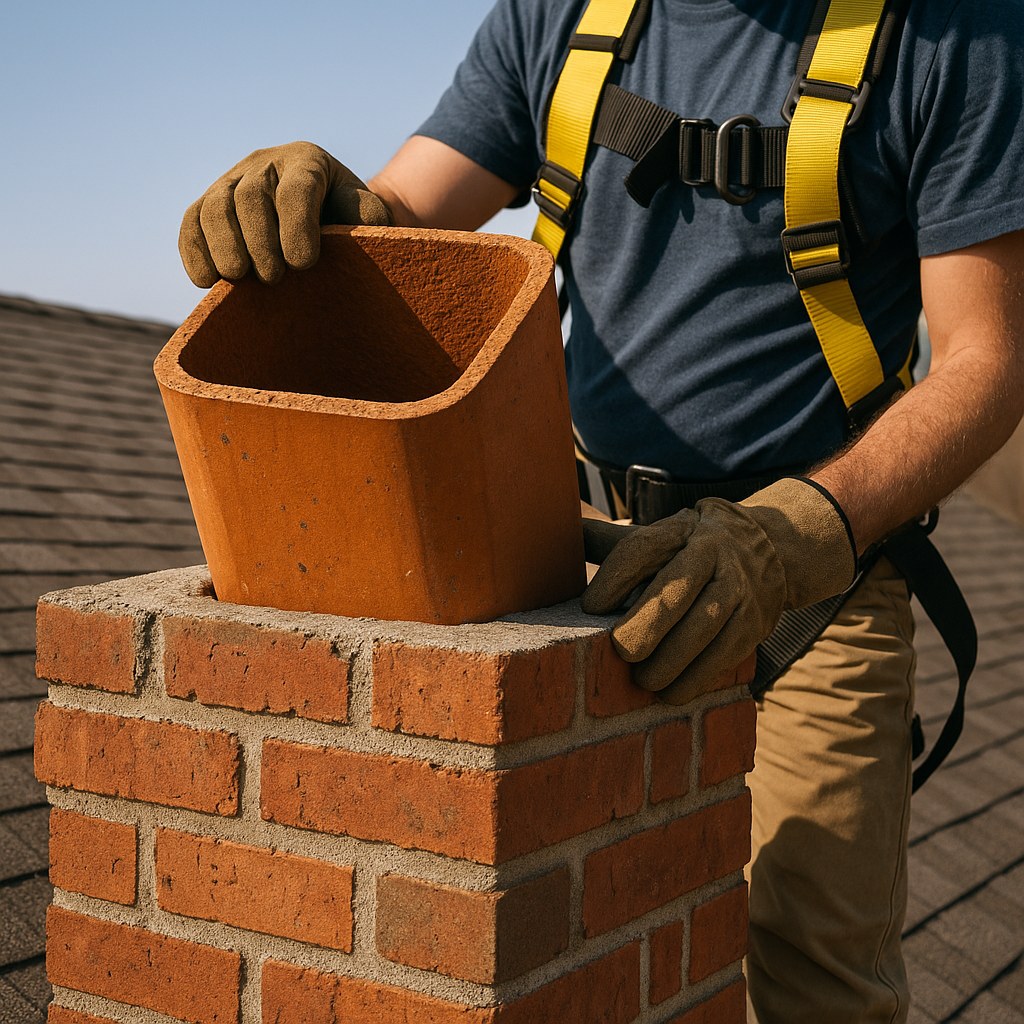
For Masonry Chimneys (Brick or Stone):
If you see significant damage to the crown or the flue liner, these issues must be repaired before you install a cap. Sealing moisture inside a damaged chimney will only make the problem worse. This is a job for a certified chimney professional.
For Metal Chimneys (Prefabricated):
A damaged metal chimney pipe can leak dangerous gases and is a serious fire hazard. If you spot any of these issues, it needs to be repaired or replaced by a professional before a cap is installed.
Assuming your chimney is in good condition, it's time for the installation! The process is slightly different for masonry and metal chimneys.
These caps typically attach directly to the flue liner with set screws.
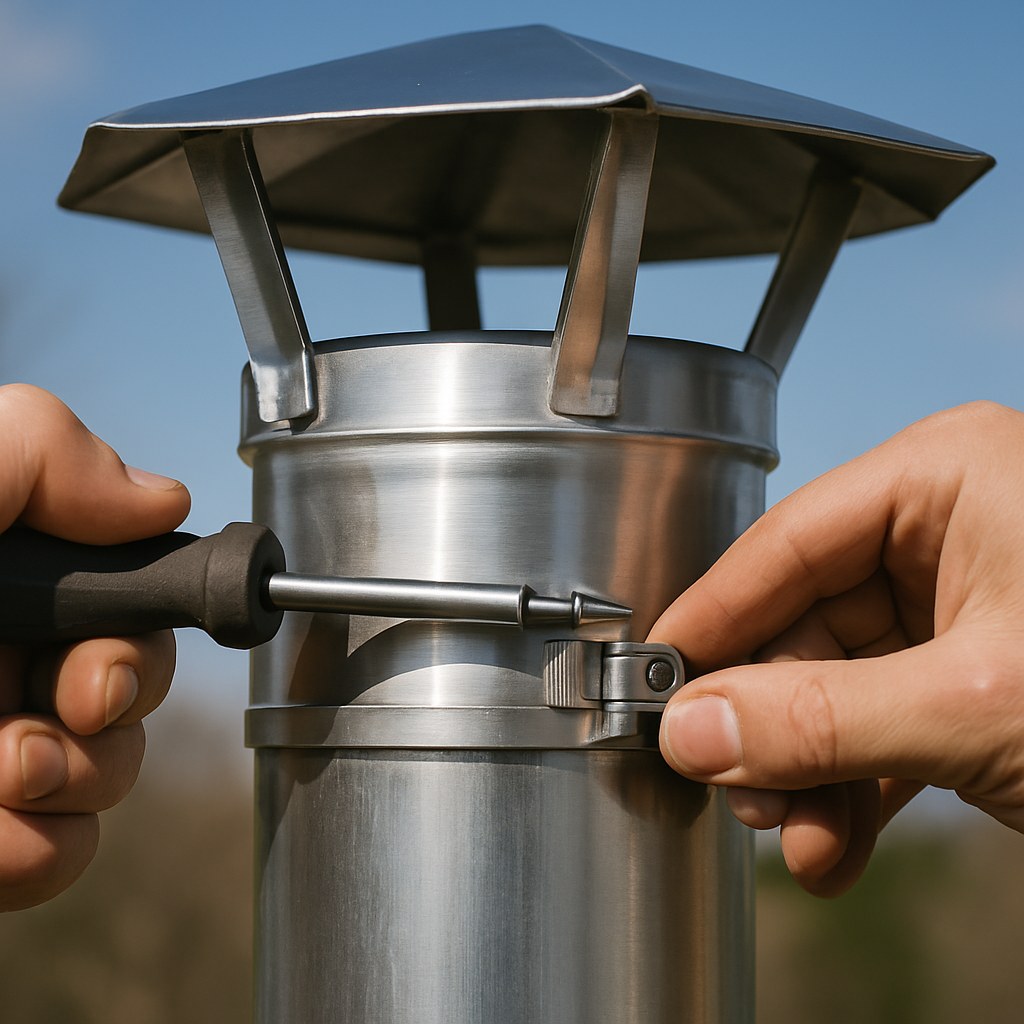
These caps are designed to slide over the pipe and are secured with a band clamp.
One of the best things about this project is the high return on investment.
While the DIY route can save you a few hundred dollars, remember that a professional's fee also covers their expertise, insurance, and the guarantee of a safe, secure installation.
Congratulations! By installing a chimney cap, you’ve taken a major step in protecting your home from water, animals, and fire hazards. It’s a simple fix that prevents complex and expensive problems down the road.
Home maintenance is a journey, and every project you complete makes your home safer and more valuable. Whether you're tackling a DIY fix or need to find a trusted expert, Casa is here to help.
Download the Casa app today to get access to more easy-to-follow repair guides, create a personalized maintenance schedule for your home, and connect with certified professionals for those jobs that are best left to the experts. Protect your home from the top down with Casa.