How to Identify and Clean Up Droppings That Look Like Coffee Grounds
Loading content…

Loading content…



You reach for the toaster and notice something odd on the counter. A scattering of tiny, dark specks that look just like spilled coffee grounds or coarsely ground black pepper. But you haven't made coffee there, and the pepper mill is on the other side of the kitchen. That sinking feeling in your stomach is your intuition telling you this is something else entirely.
Discovering mysterious droppings in your home is unsettling, but you’re not alone. It’s a common issue homeowners face. The good news is that you’ve found a potential problem, and now you can take steps to solve it. Those "coffee grounds" are almost certainly pest droppings, and identifying the culprit is the first step toward reclaiming your space.
In this guide, we'll walk you through everything you need to know, just like we’re on the phone together. We’ll help you figure out what kind of pest you’re dealing with, show you how to clean up the mess safely, and give you a plan to make sure they don’t come back.
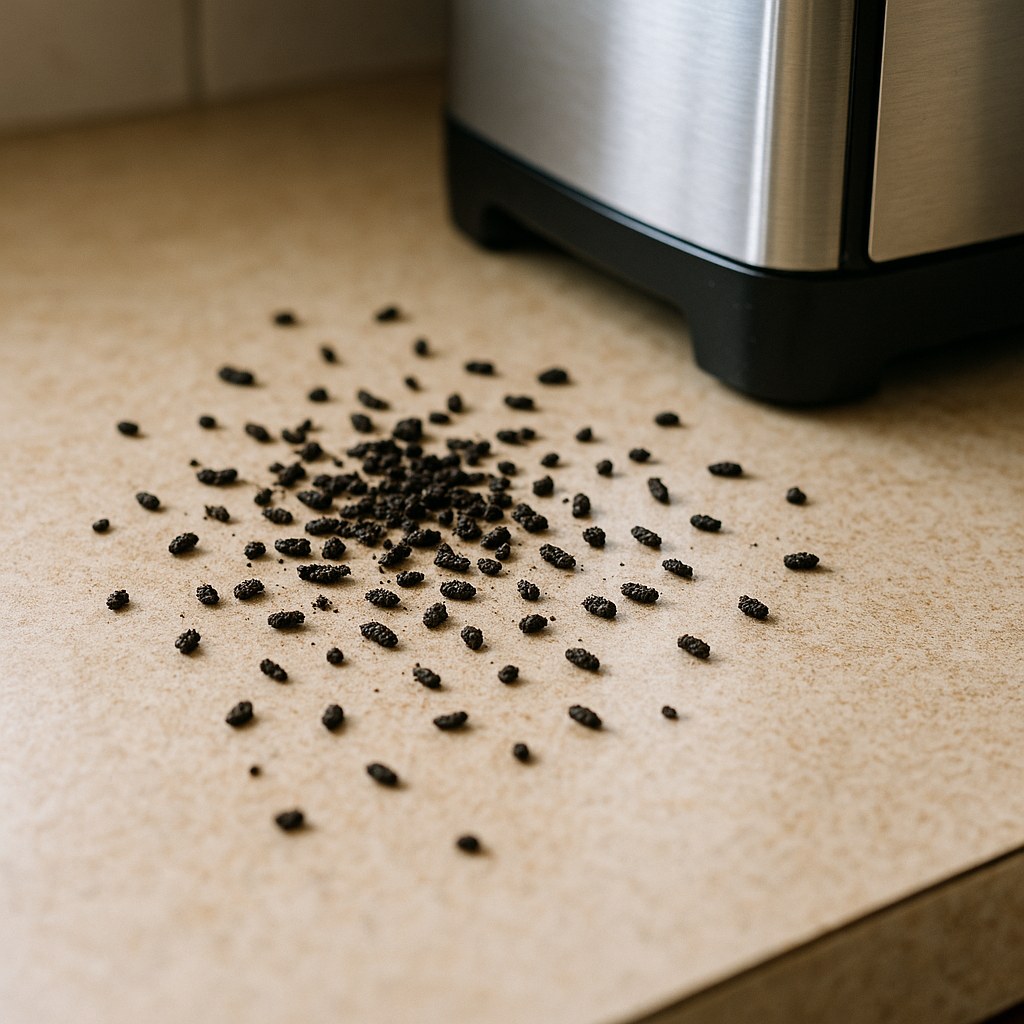
The size, shape, and location of droppings are the best clues for identifying your unwanted guest. While several pests can leave small droppings, the "coffee ground" description usually points to one primary suspect: cockroaches.
Cockroach droppings are the most likely match for what you're seeing. However, their appearance can vary slightly depending on the size and species of the cockroach.
It’s easy to confuse cockroach and mouse droppings at first glance, but there are key differences:
If the droppings are pointed and about a quarter-inch long, you're likely dealing with mice. If they're smaller specks or blunt-ended cylinders, it's almost certainly cockroaches.
Finding pest droppings isn't just an "ick" factor; it's a genuine health concern. According to the Environmental Protection Agency (EPA), cockroaches carry bacteria like Salmonella and E. coli, which can contaminate your food and surfaces.
Furthermore, their droppings, saliva, and shed body parts contain proteins that are powerful allergens. For many people, especially children and those with asthma, these allergens can trigger allergic reactions and severe asthma attacks. This is why cleaning them up safely and addressing the root cause is so important.
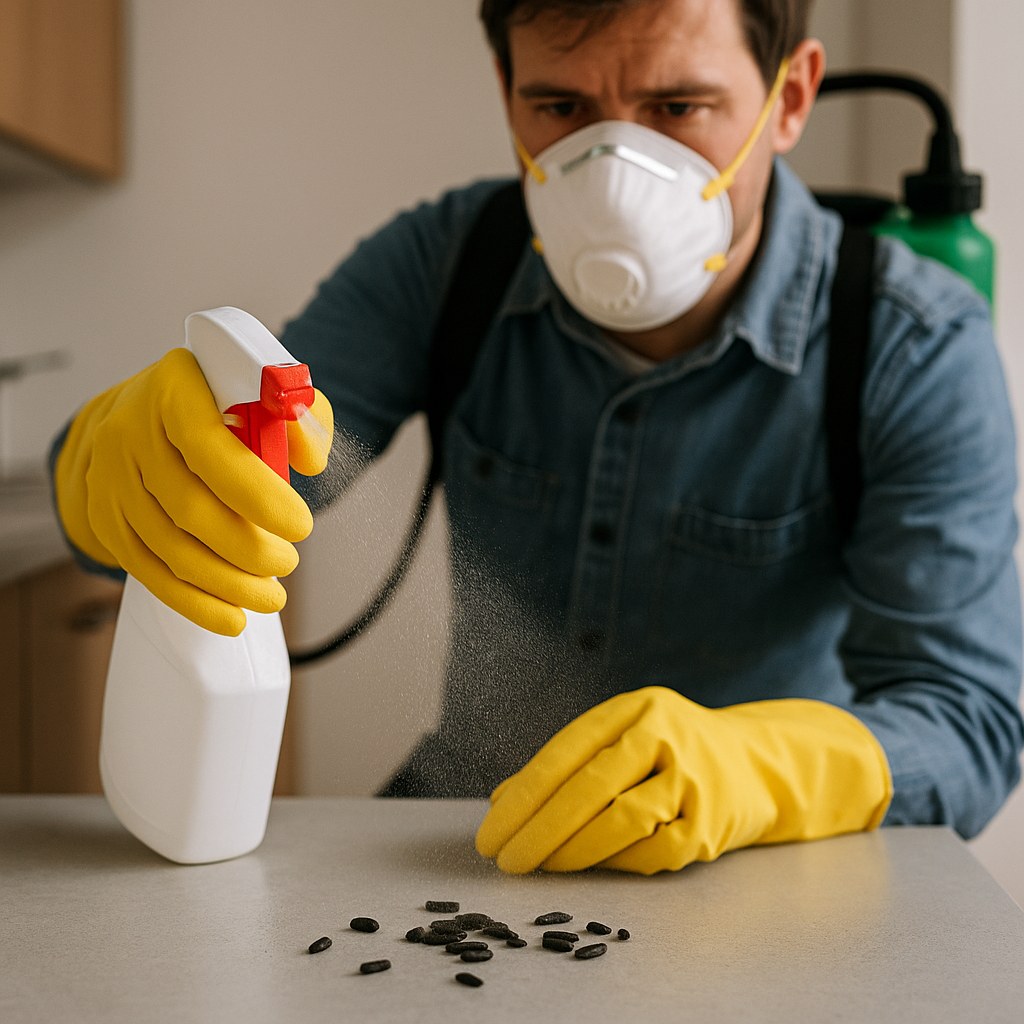
Before you grab a broom, stop! Sweeping or vacuuming dry droppings can send hazardous particles airborne, which you could then inhale. We’re going to do this the safe way.
First things first, protect yourself. Before you touch anything, put on a pair of disposable gloves and consider wearing a face mask to be extra safe.
Now, take a closer look at the scene without touching the droppings directly. Ask yourself a few questions to assess the situation:
Whether the droppings are fresh or dried, the cleanup method is nearly identical and focuses on preventing airborne dust.
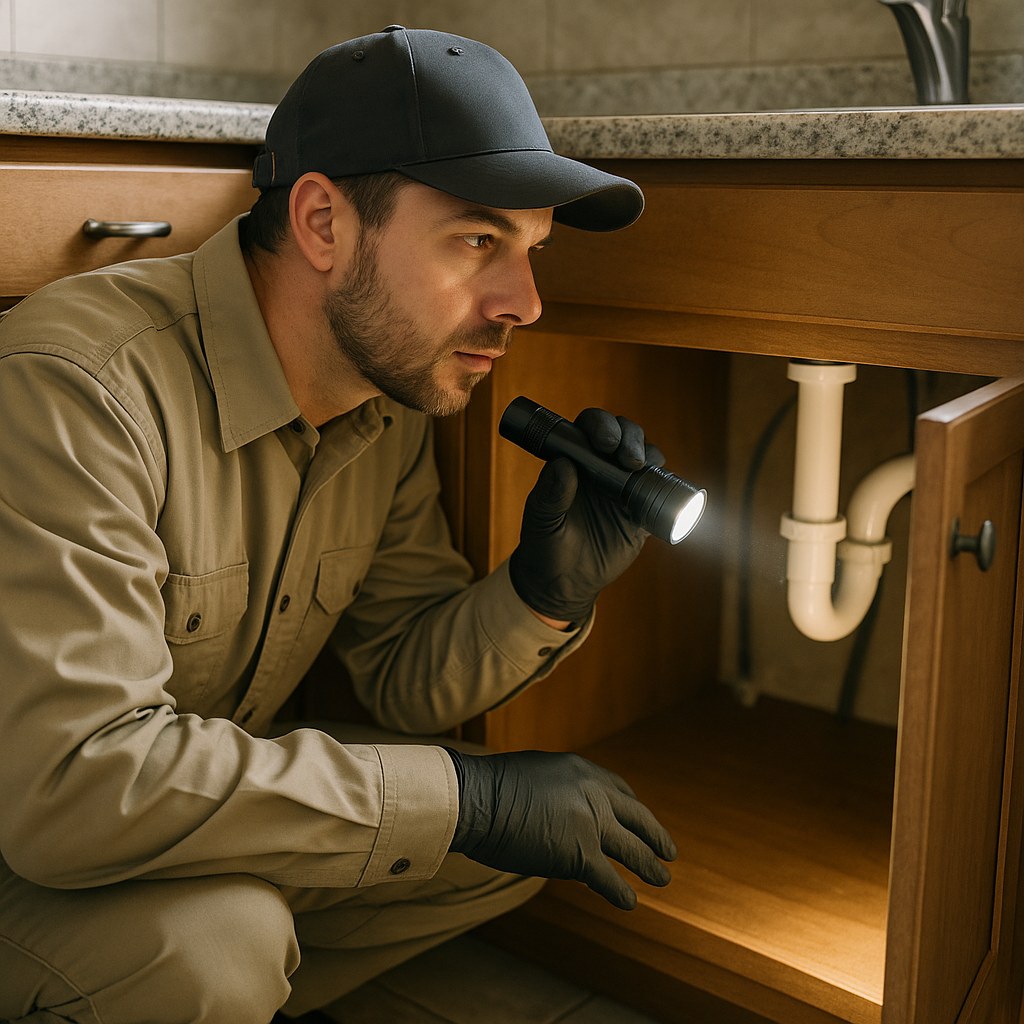
You’ve cleaned the mess, but your work isn’t done. Now you need to determine if that was an isolated incident or a sign of a bigger problem. Grab a bright flashlight and become a detective.
Check the area around where you found the droppings and other common pest hotspots (kitchen, bathrooms, utility rooms). Look for these tell-tale signs:
If you find evidence of any of these, you have an active infestation that needs more than just a simple cleanup.
Pests needed a way to get in. Your next mission is to find and seal their entryways. This is one of the most effective long-term solutions.
Start inside. Look for small holes or gaps where pests could be hiding or traveling between walls. Common spots are around pipes under sinks, behind baseboards, and in corners of cabinets.
Now, take your inspection outside. Walk the perimeter of the house and look for any openings.
After sealing all potential entry points, monitor the area for one week. If no new droppings appear, your efforts have likely solved the problem!
DIY pest control is effective for minor issues, but some battles are best left to the professionals. It’s time to call an exterminator if:
A professional pest control visit can identify the exact species, locate nests, and use targeted treatments that are more effective and safer than many consumer-grade products. According to Forbes Home, an initial visit for a cockroach problem typically costs between $125 and $325. While it's an investment, it provides peace of mind and a faster, more permanent solution.
Finding pest droppings is never pleasant, but by following these steps, you can confidently handle the situation. Remember the process: safely identify and clean the droppings, inspect for further signs of an infestation, and seal up any entry points to prevent pests from returning.
Taking proactive steps to maintain your home is the key to preventing problems like this before they start.
For more expert advice on home maintenance, step-by-step repair guides, and access to a network of trusted professionals for the jobs you can't handle alone, download the Casa app today! We're here to help you keep your home safe, clean, and pest-free.