How to Fix Water Backflowing From Your Floor Drain A Step by Step Guide
Loading content…

Loading content…



There are few home maintenance surprises more unpleasant than discovering a puddle of murky water creeping out from your floor drain. Whether it’s in your basement, laundry room, or garage, water backflow is a problem you need to address immediately. It’s not just messy—depending on the source, it can be a serious health hazard and cause significant water damage to your home.
But don’t panic! I’m here to walk you through it, just like I would over the phone. Many causes of water backflow can be diagnosed and even fixed without calling a professional.
This guide will help you identify the source of the problem, take the right safety precautions, and follow a clear, step-by-step process to get your drains flowing in the right direction again.
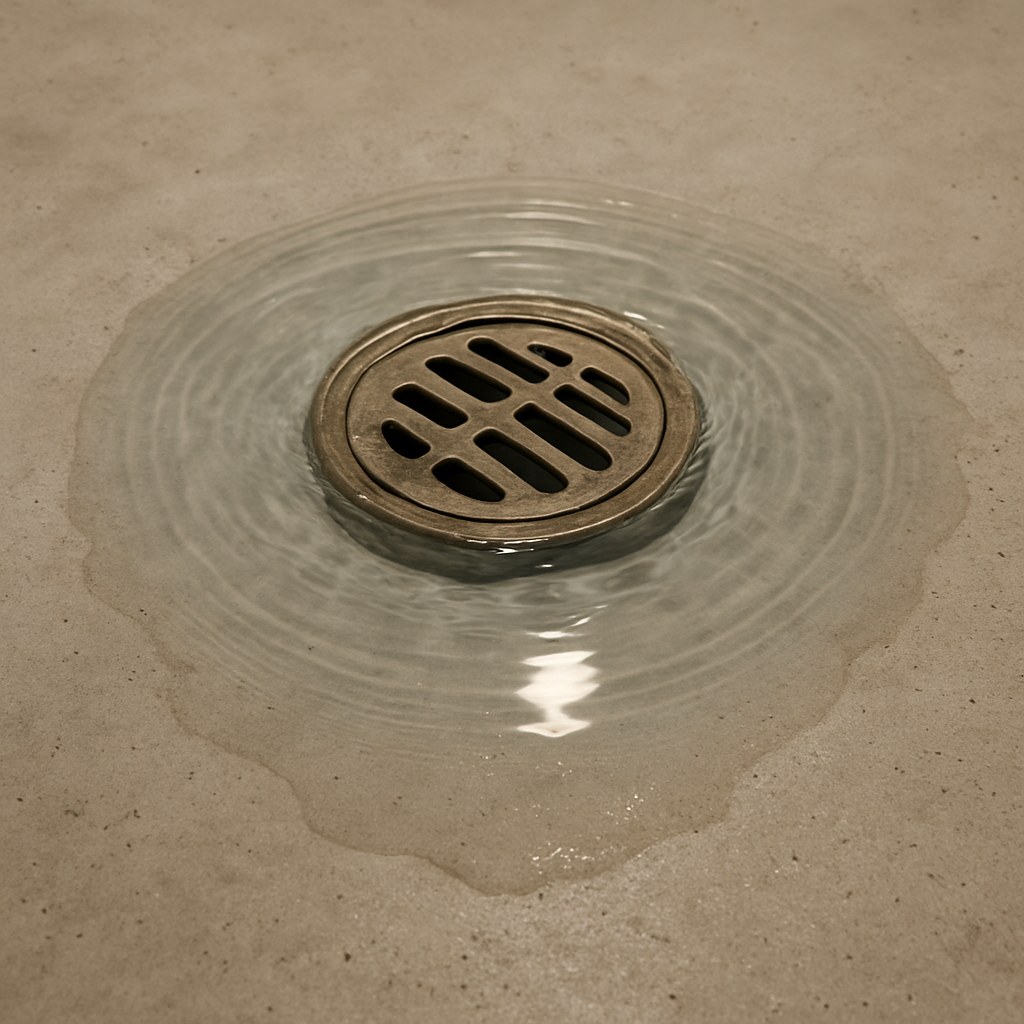
Before we roll up our sleeves, let’s understand what’s happening. A floor drain is designed to be an exit point for water, but when it becomes an entry point, something is wrong with your drainage system. Here are the most common culprits:
Now, let's figure out which one of these is causing your headache.
Before you touch anything, we need to make sure the area is safe. Backed-up water can be contaminated with bacteria (if it's sewage) or pose an electrical shock risk.
Once the area is secure, you can move on to diagnosis.
The type of water backing up gives us our biggest clue.
Using a flashlight, look closely at the water. Is it relatively clear, like dishwater or laundry water? Or is it dark, murky, and contains solids? Now, carefully lean in (about 6 inches away) and take a sniff. Does it have a distinct sewage-like odor?
If you suspect a main line blockage, the next step is to confirm it by checking your other plumbing fixtures.
If other fixtures are also backing up, it's almost certain you have a main sewer line clog.
Your next mission is to find the sewer cleanout. This is a capped pipe that provides direct access to your main line. Look for it in your basement near the foundation wall or outside your house at ground level.
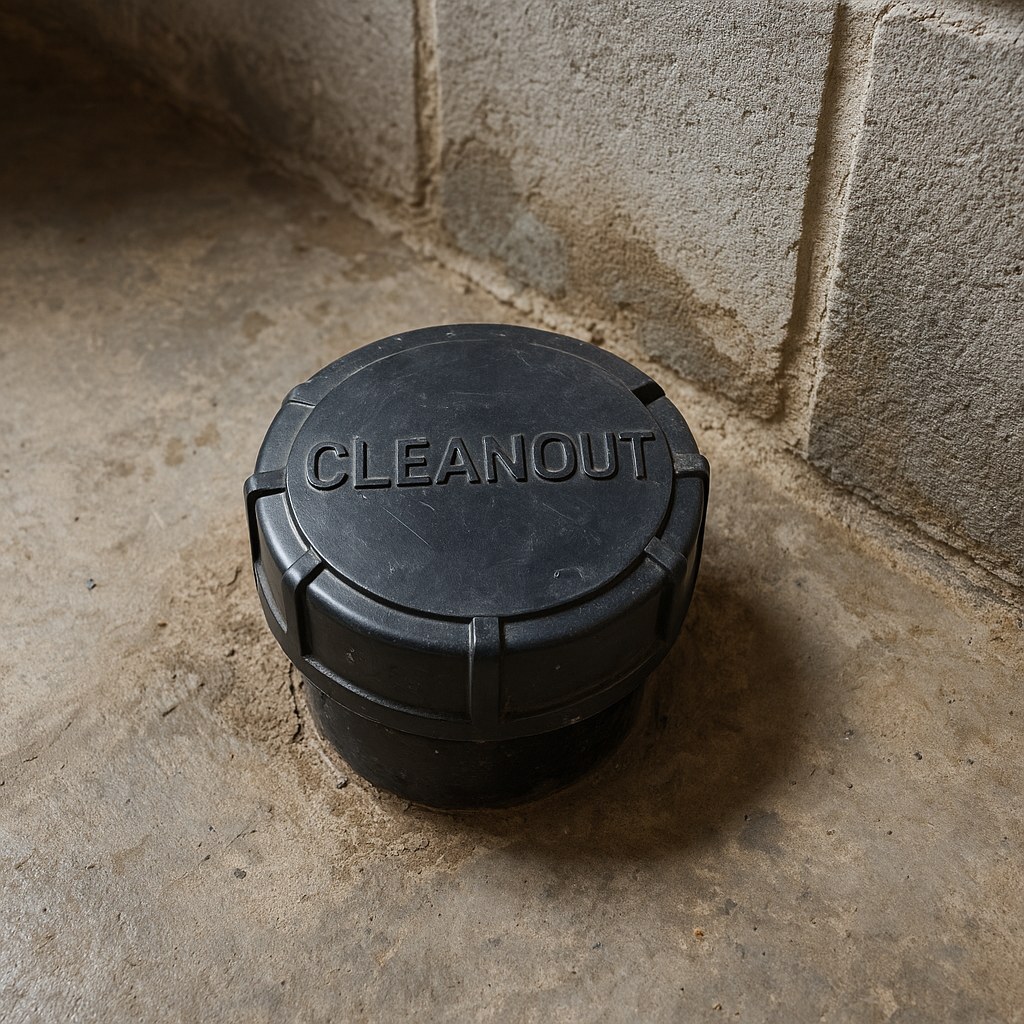
Once you find it:
This is a critical moment. If water or sewage begins to flow out under pressure as you loosen the cap, tighten it immediately and stop what you are doing. This means the blockage is downstream from your house, likely in the municipal line or the pipe connecting to it. According to the U.S. Environmental Protection Agency, sewer line backups affect millions of properties each year. At this point, your only move is to call a licensed plumber.
If no water flows out, the blockage is between the cleanout and your house. You can attempt to clear it yourself with a drain auger (also called a drain snake).
Afterward, test the floor drain. If it drains normally, you’ve solved it! If not, the blockage is too severe or too far down the line for a standard auger. It's time to call a plumber.
If the water is clear and other fixtures are draining fine, your job is a lot easier. Let’s explore the possibilities.
Heavy rain can overwhelm city sewer systems, forcing water back into your home. Your first line of defense is a backflow preventer—a valve on your main drain line that allows water to flow out but not in.
If only the floor drain is backing up and rain isn’t a factor, you’re likely dealing with a simple clog right in the drain itself.
If the water now drains away freely, you’re done!
If your floor drain sees little use, the water in the P-trap can evaporate. This can sometimes cause air pressure issues that lead to gurgling or slow draining. The fix is as simple as it gets.
While many backflow issues are fixable, some require professional tools and expertise. It's time to call a licensed plumber if:
The average cost to have a plumber clear a clogged drain is typically between $150 and $450, but clearing a main sewer line can cost more. While it's an expense, it's a small price to pay to prevent major water damage and contamination.
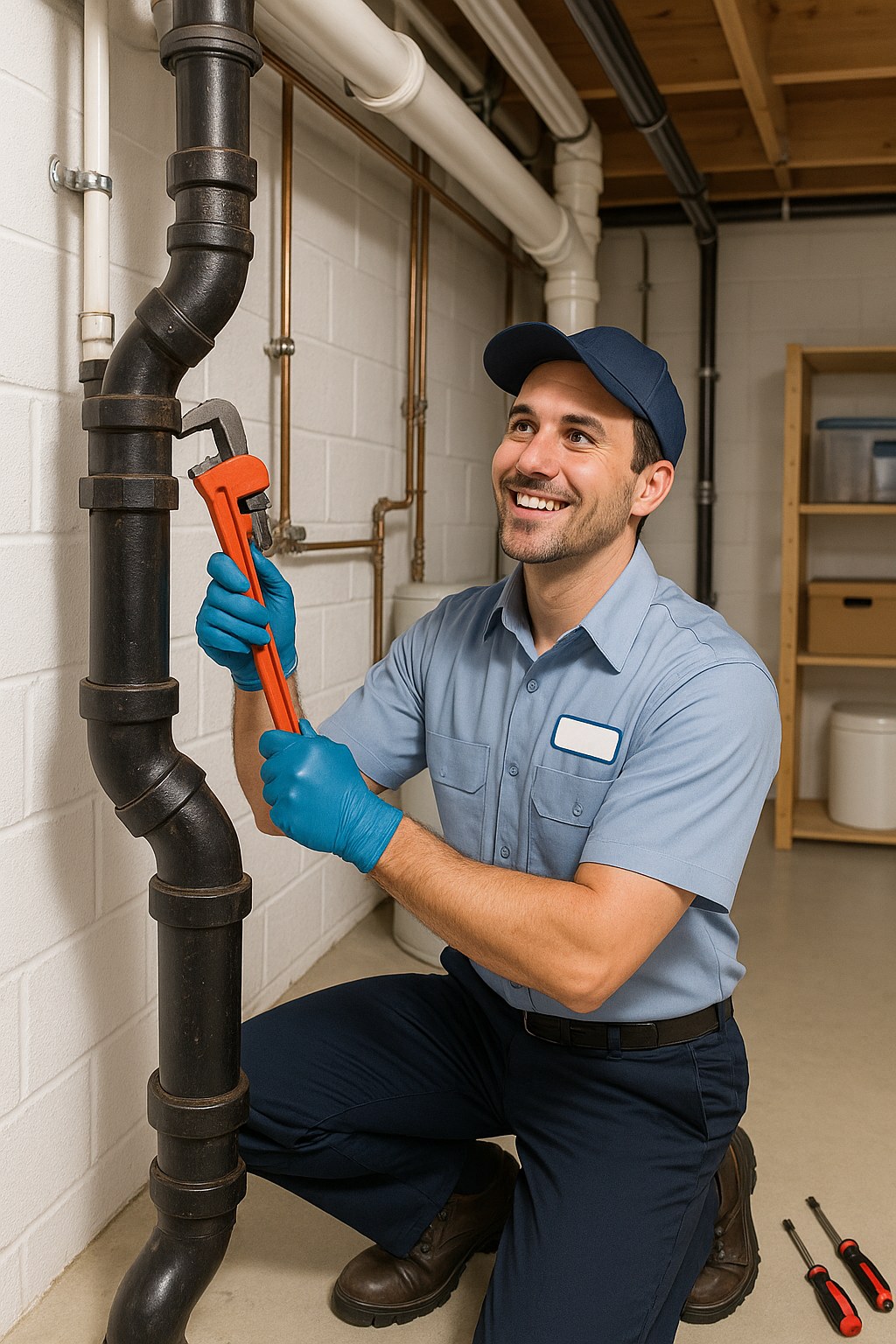
Dealing with a backflowing drain is stressful, but by following these steps, you can safely assess the situation and, in many cases, fix it yourself. Remember to prioritize safety, identify the scope of the problem, and never hesitate to call for backup when you're in over your head.
For more expert-led home maintenance guides, personalized reminders, and a direct line to trusted professionals in your area, download the Casa app today. We're here to help you conquer any home challenge, big or small, and keep your home running smoothly.