How To Fix Pool Or Spa Jets That Arent Working
Loading content…
Loading content…



There’s nothing quite like the feeling of powerful spa jets massaging your back or the gentle swirl of your pool’s return jets keeping the water crystal clear. But when that powerful flow turns into a weak trickle—or stops completely—it can bring your backyard oasis to a standstill.
If you’re staring at your pool or spa and wondering, "Why aren't my jets working?", you've come to the right place. Weak or non-working jets are a common issue, and the good news is that the fix is often straightforward. A little bit of troubleshooting can usually get your water circulating perfectly again without having to call a professional.
Think of me as your friendly expert on the other end of the line. I’m here to walk you through diagnosing the problem and fixing it yourself. Let's get those jets running!

Before we dive into the step-by-step fixes, it helps to understand what’s likely causing the issue. Most jet problems boil down to one thing: a blockage or restriction that’s preventing water from moving freely through the system.
Here are the most common culprits:
Now, let's figure out exactly what’s going on with your system.
This might seem obvious, but it’s the most important first step. Pool and spa systems, even when they're part of the same setup, often use different pumps, plumbing lines, and controls. We need to know which patient we’re operating on.
Stand near your equipment control panel. Look at the jets that aren't working correctly. Are they located in the main pool wall, or are they inside the smaller, often raised, spa shell? Once you’ve identified whether you’re dealing with a pool or spa issue, you can move on to the right set of instructions.
If your spa jets are the problem, let's get them working so you can get back to relaxing.
First, go to your control panel and turn the spa jets on. Watch them closely. Do you see any water flow at all, even a weak stream or an erratic sputter? Or is there absolutely nothing coming out?
If your jets are completely dead, it's time to check the core components of your circulation system.
Safety First: Cut the Power. Go to your home’s main electrical panel (breaker box) and find the breaker labeled "Spa Pump" or something similar. Flip it to the OFF position. Never work on a pump without ensuring the power is off.
Clean the Pump Strainer Basket. At your equipment pad, locate the spa pump. It will have a clear lid on top. Twist the lid off (you may need to release locking rings). Inside, you'll find a plastic basket. Pull it out and empty any leaves, hair, or debris. Use a garden hose to give it a thorough rinse.
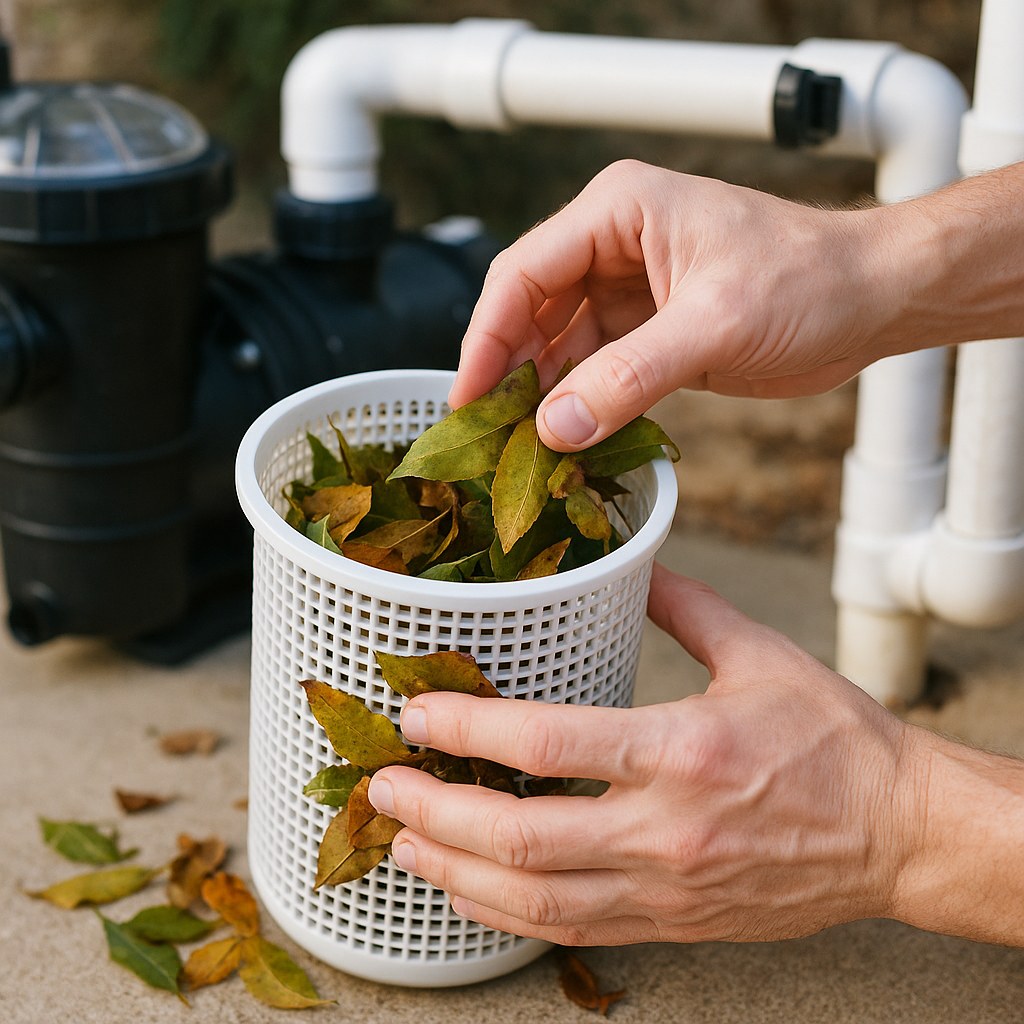
Prime the Pump. With the basket back in place, use your hose to fill the pump housing (the area around the basket) with water until it's full. This step, called priming, helps the pump create the suction needed to pull water from the spa. Screw the lid back on tightly to ensure a good seal.
Check the Filter Pressure. Turn the breaker back ON. Let the pump run for a couple of minutes. Now, look for a pressure gauge on your filter. Note the reading (measured in PSI). Most filters have a "clean" pressure range indicated. If your current reading is 10 PSI or more above that clean pressure, your filter is clogged and needs to be cleaned. For sand or D.E. filters, this means performing a backwash. Pull or turn the backwash handle and run it for 2-3 minutes, or until the sight glass runs clear.
Check the Valves. Make sure all valves related to the spa circulation are in the fully open position. If you have a multiport valve, ensure it's set to "Filter."
After completing these steps, check your spa jets. If they are now producing a normal, strong flow, you’ve fixed it! If there’s still no flow, it’s possible you have a more serious issue with the pump motor or a major plumbing blockage. In this case, it’s best to contact a pool and spa technician.
If you have some flow, just not enough, the blockage is likely smaller and closer to the jet itself.
Turn Off the Power. Again, start by turning off the spa pump breaker for safety.
Clean the Jet Nozzles. This is the most common fix for weak jets. Grip the face of one of the weak jets and try to twist it counter-clockwise. Most spa jet faces are designed to be unscrewed by hand. Once it’s off, you’ll see the small opening of the jet nozzle inside.
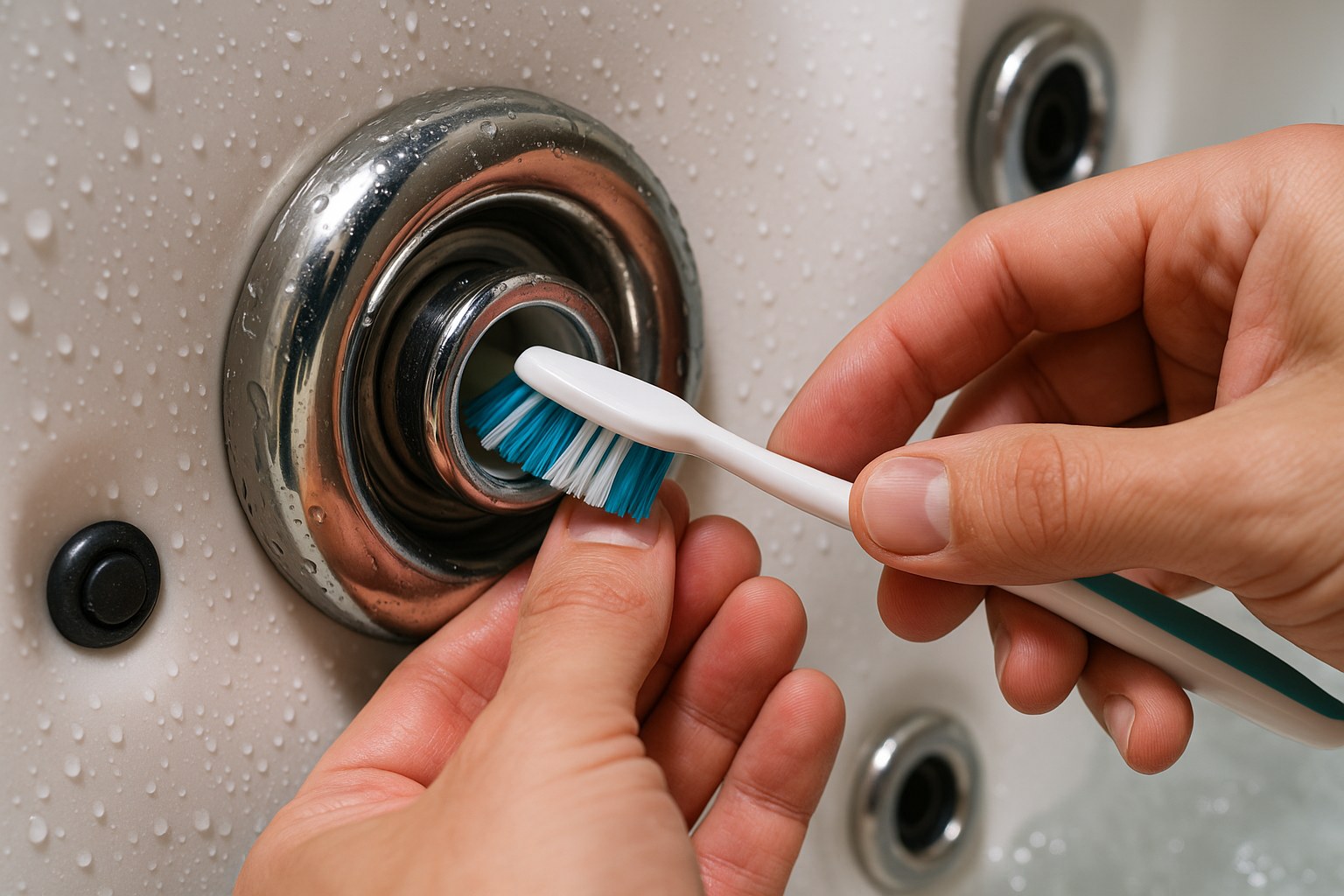
Use an old toothbrush or a small bottle brush to scrub inside the nozzle and clear out any calcium buildup or debris. Use a hose to spray into the opening and flush it out.
Screw the jet face back on by turning it clockwise until it's snug. Repeat this process for every jet that has weak flow.
Open the Air Intake Valve. Look for a small knob or dial on the wall of your spa, often near the main controls. This is the air intake valve (or "air bubbler"). It mixes air with the water to create a more powerful, bubbly jet stream. Make sure this valve is turned to the fully open position.
Power Up and Test. Turn the breaker back on and run the jets for a few minutes. The flow should be steady and strong.
If the jets are still weak after cleaning, you may have a partially clogged plumbing line or a worn-out pump impeller, which may require professional service.
If your pool’s return jets are the issue, the troubleshooting process is very similar.
First, make sure your pool pump is running. You can usually hear it, but the best way to be sure is to look at the pump's clear lid—you should see water swirling inside. With the pump running, check the return jets in the pool wall. Do you see any flow, or are they still?
This follows the same logic as the spa fix: check for major blockages.
Check the jets. If they're pushing water strongly again, your pool circulation is back to normal! If not, it's time to call a pro to investigate the pump or underground lines.
While most jet issues are simple DIY fixes, some problems require an expert. If you’ve tried all the steps above and your jets still aren’t working, it’s time to call a licensed pool technician. You may be dealing with:
According to Forbes Home, hiring a pool professional for a service call typically costs between $75 and $150 per hour. A specific repair, like fixing a pump or clearing a major blockage, can range from $150 to over $500, depending on the parts and labor required. While it's an expense, it's worth it to ensure the job is done safely and correctly.
Fixing your pool or spa jets is a rewarding project that saves you money and keeps your backyard retreat in perfect condition. By learning to troubleshoot these common issues, you empower yourself as a homeowner.
For more easy-to-follow guides, maintenance reminders, and a direct line to vetted professionals when you need them, download the Casa app today. Casa is your all-in-one partner for home maintenance, helping you tackle any project with confidence. Stop worrying about what might break next and start enjoying your home to the fullest.