How to Fix Bare Patches in Your Lawn for Good
Loading content…

Loading content…



There's nothing quite like the satisfaction of a lush, green lawn. It’s the perfect backdrop for backyard barbecues, a soft playground for kids and pets, and the pride of many homeowners. So when you spot those dreaded brown or bare patches, it can feel like a major setback. What went wrong? Is your whole lawn at risk?
Don't panic! Bare patches are one of the most common lawn problems, and the good news is, you can usually fix them yourself. The key isn't just to throw some seed down and hope for the best; it's to play detective first. By figuring out the root cause of the problem, you can apply the right solution and prevent it from happening again.
In this guide, we'll walk you through everything you need to know, just like a friendly expert on the phone. We'll start by diagnosing the issue—whether it's pests, disease, heavy foot traffic, or poor soil conditions—and then give you the clear, step-by-step instructions to bring your lawn back to life.
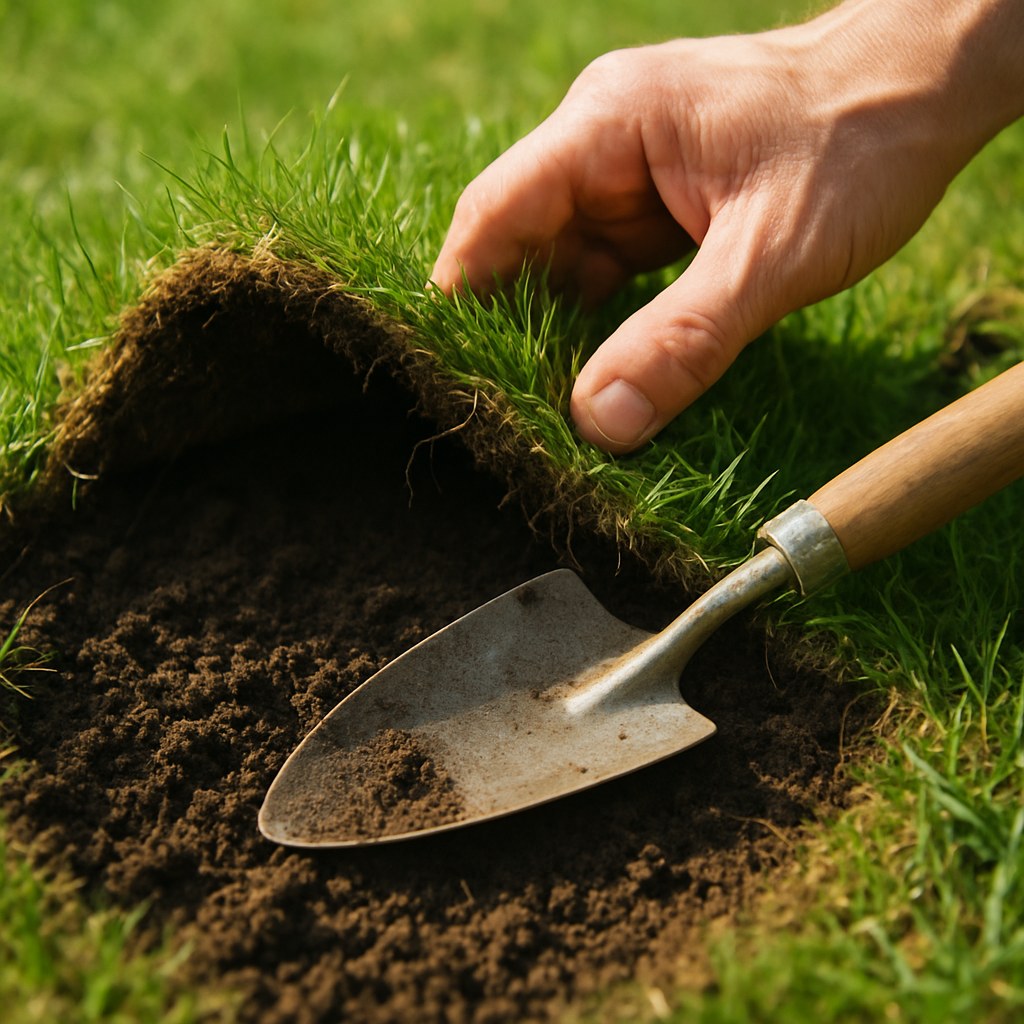
Before you can fix the problem, you need to know what you’re up against. Grab a garden trowel and a screwdriver, and let’s head out to the lawn to do a little inspection. A few minutes of investigation now will save you hours of frustration later.
Here's what to look for:
Look for Grubs: Go to the edge of a bare patch and use your trowel to cut a three-sided square flap of turf, about two inches deep. Peel it back like a carpet. Do you see more than a handful of milky-white, C-shaped critters in the soil? These are grubs, and they feast on grassroots, killing the turf from below. If the turf peels up with no resistance, grubs are a likely suspect.
Check for Fungal Disease: Look closely at the grass blades on the border of the patch. Do you see any unusual signs? Fungal diseases often leave tell-tale clues like grayish rings, spots on the blades, an orange or reddish dust (rust), or a slimy coating.
Consider Foot Traffic: Is the bare patch located right where your family, your pets, or the mail carrier always cut across the lawn? Constant foot traffic compacts the soil and wears down the grass, creating well-defined bare paths or spots.
Test for Soil Compaction: Take a flathead screwdriver and try to push it into the soil in the middle of the bare patch. Can you easily push it six inches deep? If you meet a lot of resistance and can barely get it in, your soil is likely compacted. Compacted soil prevents water, air, and nutrients from reaching the grass roots.
Observe Drainage: After the next rain or after you run your sprinkler, check on the bare patch. Is there a puddle of water that sits there for hours? Poor drainage means the soil is waterlogged, which can drown grass roots and lead to disease.
Once you’ve identified the likely culprit, you can move on to the specific fix.
Now that you're armed with a diagnosis, let's get to the solution. Find the problem that matches your findings below and follow the steps to a healthier lawn.
If your turf peeled up easily and you found a grub party underneath, it's time for action.
Guide: Treat Grub Damage and Reseed
Gray rings or orange dust on the grass blades? You're likely dealing with a fungal disease.
Guide: Treat Fungal Disease and Reseed
If your bare patch is the result of a well-worn path, you need to give the new grass a chance to establish itself.
Guide: Repair High-Traffic Bare Spots
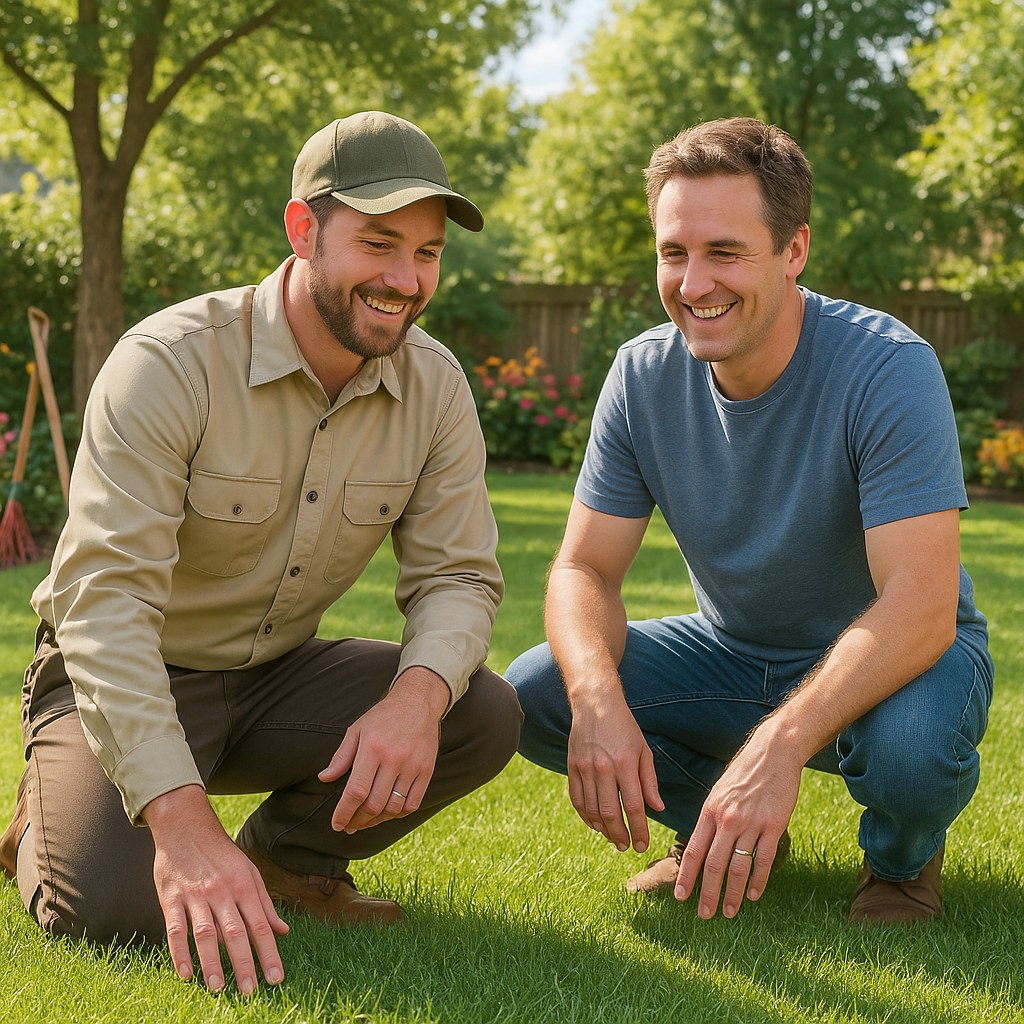
If your soil is hard as a rock, new grass will struggle to grow roots. The solution is aeration.
Guide: Relieve Soil Compaction and Overseed
You can follow all the repair steps perfectly, but if you use the wrong type of grass seed, you're setting yourself up for failure. Grasses are generally categorized as either cool-season or warm-season.
To find out what's best for you, identify your USDA Plant Hardiness Zone and consult your local county extension office's website or a knowledgeable employee at a local garden center. They can recommend specific varieties that are adapted to your climate, soil type, and sun exposure.
Fixing bare patches yourself is very budget-friendly. Here’s a rough idea of what to expect:
For a total investment of well under $150 (and often much less), you can fix several patches and have leftover product for future issues.
While hiring a pro costs more, it saves you time and can be a great option if you're dealing with a widespread, persistent problem.
Fixing bare patches in your lawn is a completely manageable project. By playing detective, applying the right fix, and being patient, you can restore those spots and enjoy a beautiful, uniform carpet of green.
If you’ve tried these steps and are still struggling, or if you'd just rather have a helping hand, Casa is here for you. Download the Casa app today for more easy-to-follow DIY home maintenance guides, helpful reminders, and one-tap access to vetted, local landscape professionals who can take on the job for you. Take the guesswork out of maintaining your home and lawn with Casa