How to Fix a Washing Machine Timer That Is Not Working
Loading content…

Loading content…



There are few home appliance frustrations quite like a washing machine that stops mid-cycle. You come back expecting clean clothes, only to find a tub full of soapy, soaking laundry and a timer that hasn't moved an inch. When your washing machine timer isn't working, it can bring your entire laundry routine to a screeching halt.
The good news is that this is often a problem you can diagnose and even fix yourself without needing to immediately call for an expensive repair. Whether your washer has a classic mechanical knob or a modern digital display, the issue could be anything from a simple power glitch to a loose wire.
In this guide, we'll walk you through the process of troubleshooting your washing machine timer, just like an expert would over the phone. We'll start with the easiest checks and work our way up, helping you identify the problem and get your laundry moving again.
Before we dive into taking panels off, let's make sure the problem isn't something much simpler. Many "timer" issues are actually power-related. It might sound obvious, but you’d be surprised how often the solution is found here!
Step 1: Troubleshoot the Power Supply
Let's do a quick power check.
If any of these steps restored power to your machine, try running a short cycle. If the timer now advances correctly, you’ve solved the problem! If the machine has power but the timer is still stuck, it's time to dig a little deeper.
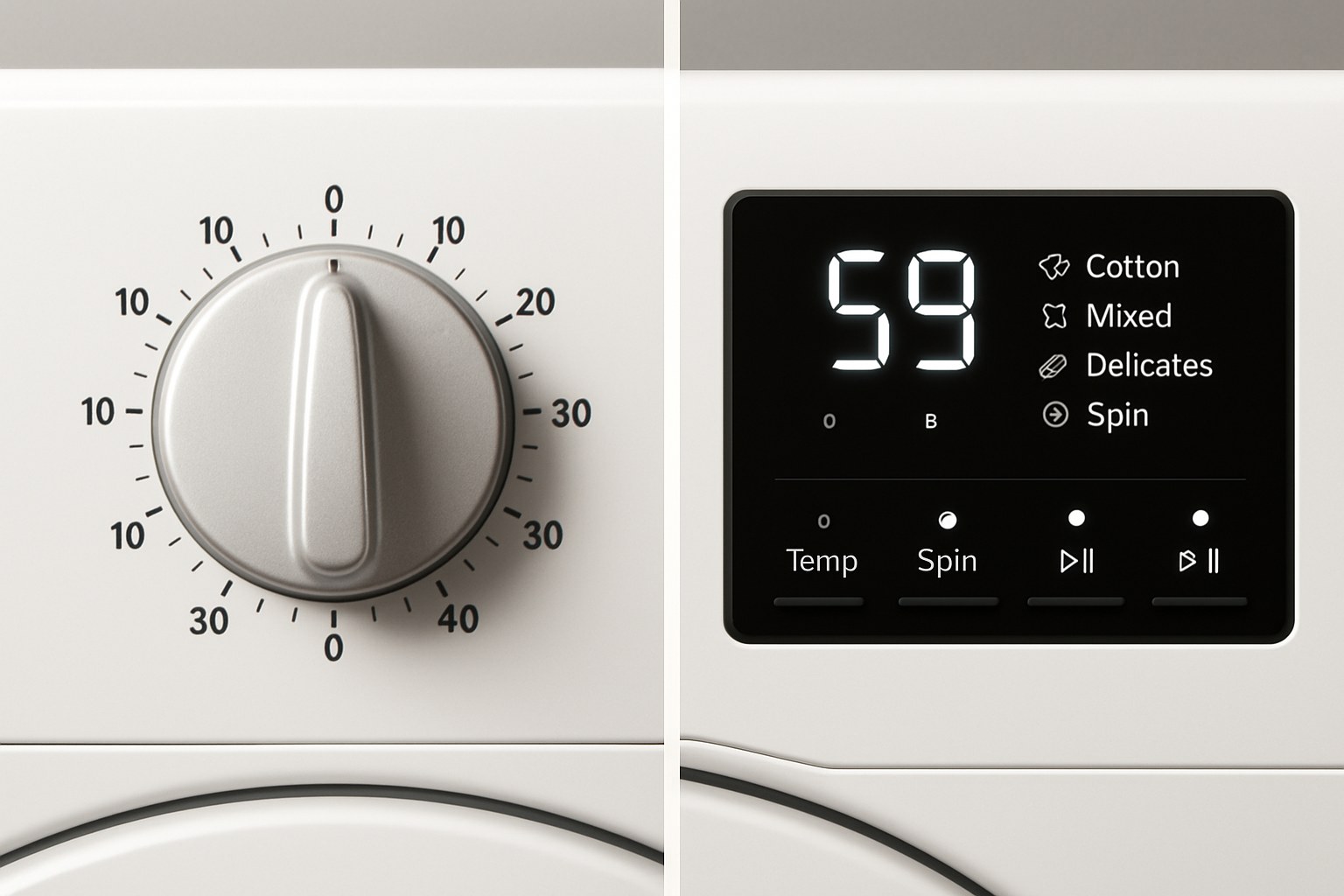
Washing machine timers generally come in two flavors, and the troubleshooting process is different for each.
Figuring out which type you have is your next step. If you have a big, clicking knob, you're dealing with a mechanical timer. If you've got a digital display and buttons, you have an electronic one.
If you've got a mechanical timer, the problem is often a physical one—either with the knob's movement or the wiring behind it.
Safety First! Before you open the control panel, unplug your washing machine from the wall outlet. This is non-negotiable for your safety.
With the machine unplugged, gently turn the timer knob through a full 360-degree rotation. What do you feel and hear?
If the knob turns fine, the next step is to check for loose connections. You'll need a Phillips head screwdriver for this.
If you find a loose wire, simply push the connector firmly back onto its tab until it clicks into place. If you see corrosion, you can clean it. Pull the connector off, spray a small amount of electrical contact cleaner (available at auto parts or hardware stores) onto the metal tab, and use a small wire brush to gently scrub it clean before reconnecting the wire.
Once you've secured all the connections, reassemble the control panel, plug the washer back in, and run a short test cycle. If the timer now advances, you’ve fixed it!
For machines with a digital display, the "timer" is part of the electronic control board. The fix often involves resetting the machine's "brain" or identifying a failed board.
Safety First! Just like with a mechanical timer, unplug the washing machine before opening any panels.
Sometimes, electronic control boards can get stuck in a state of error, much like a frozen computer. A hard reset can often clear the glitch.
For many, this simple reset is all it takes. If the timer now counts down and completes the cycle, your problem is solved.
If a reset doesn't work, there may be physical damage to the control board itself.
If you see any of these signs, the control board has failed and needs to be replaced. This can be a tricky DIY job, as it involves disconnecting multiple wire harnesses in a specific order. For most homeowners, this is the point where it's time to call a professional.

DIY repair can be incredibly rewarding and save you money, but it's also important to know your limits. You should call a professional if:
According to Angi, the average cost for a professional washing machine repair ranges from $120 to $500. Replacing a timer or control board typically falls in the middle of that range. While calling a pro costs money, it provides peace of mind that the job is done correctly and safely.
Fixing a stuck washing machine timer is often more about patient diagnosis than complex repair. By starting with the simple power checks and methodically working your way through the timer's components, you can often solve the problem in under an hour.
Feeling proud of your new DIY skills? We're here to help you tackle even more. Download the Casa app today to get access to hundreds of easy-to-follow home maintenance guides, connect with trusted local professionals for the jobs you can't handle, and keep your home running smoothly. With Casa, you're never alone in your homeownership journey.