How to Fix a Noisy Furnace Banging Squealing or Rattling
Loading content…
Loading content…



Is your furnace trying to tell you something? When your home's heating system suddenly starts making strange noises, it can be more than a little concerning. That quiet hum you’re used to has been replaced by a loud bang, a high-pitched squeal, or a persistent rattle, and now you’re worried about a costly repair.
Don't panic just yet. While some furnace noises are indeed a signal to call in a professional, many of the most common sounds are symptoms of minor issues you can fix yourself. Think of your furnace's noises as a code. By learning to decipher what that banging, squealing, or rattling means, you can often solve the problem with a few simple steps.
We’re here to help you crack that code. In this guide, we'll walk you through diagnosing and fixing the most common furnace noises, just like we would over the phone. Let's get that furnace running quietly and efficiently again.
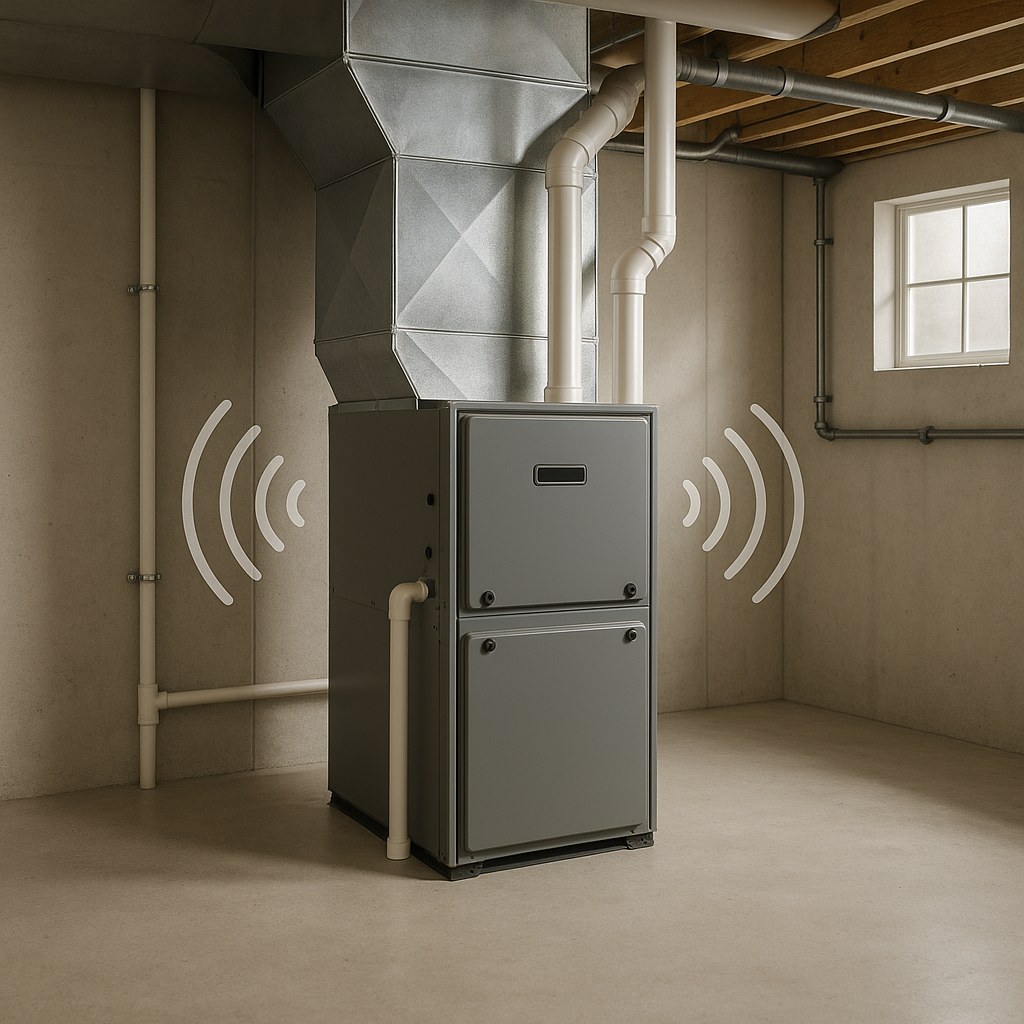
Before you even think about opening a panel or touching a component, safety is your number one priority. Furnaces involve electricity, gas, and moving parts. To avoid any risks, let's start by safely shutting things down.
Once you’ve done this, you’re ready to play detective. We’ll have you turn the power back on later to listen for the noise, but always remember to power down again before making any adjustments.
With the area safe, let’s pinpoint the sound. Turn the service switch back on, set your thermostat to "Heat," and raise the temperature about 5 degrees higher than the current room temperature to kick the furnace on. Stand near the unit and listen closely.
What do you hear? The specific sound is the biggest clue. We’ll break down the three most common culprits:
Once you’ve identified your noise, find the corresponding section below for your step-by-step fix.
A loud bang is arguably the most alarming sound a furnace can make. It often sounds like something has broken, but the cause is usually one of two things: delayed ignition in a gas furnace or your metal ductwork flexing.
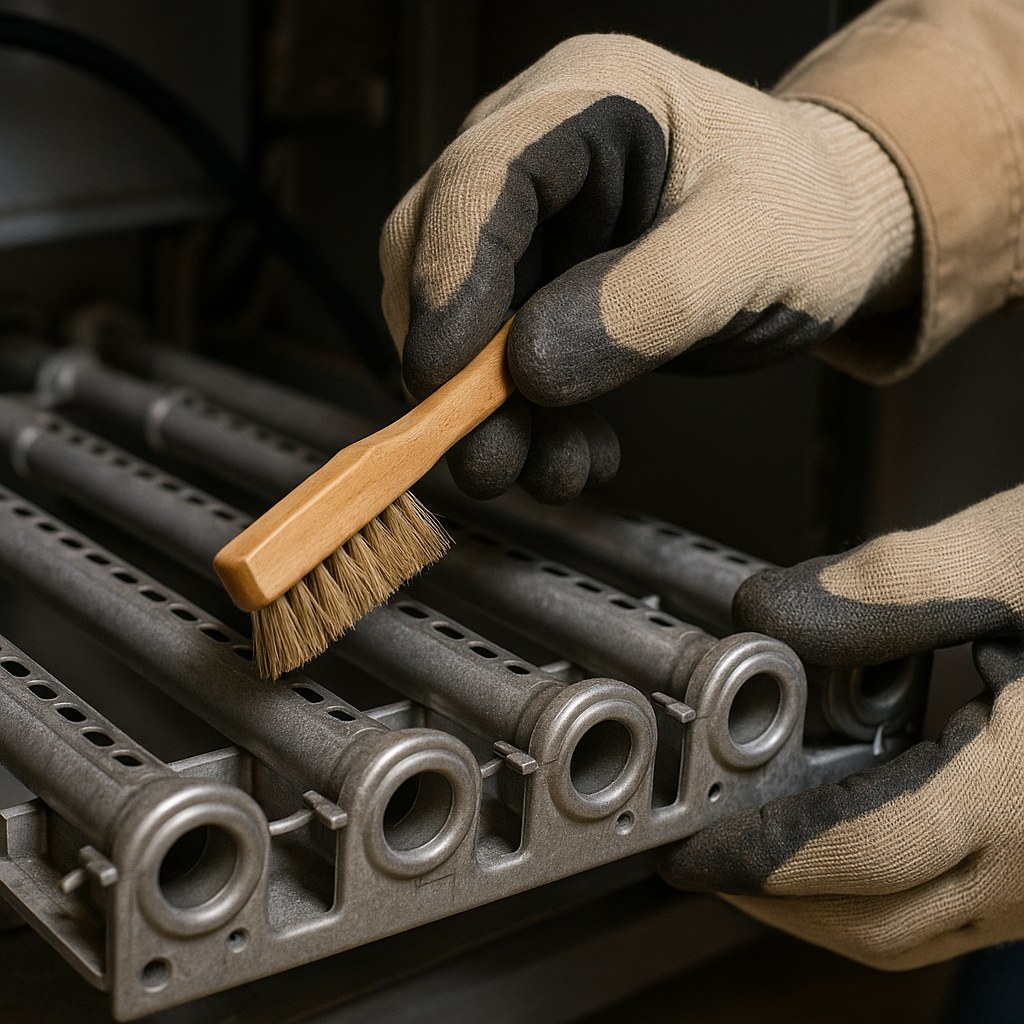
If you have a natural gas or propane furnace, a loud bang at startup is often a sign of delayed ignition. This happens when the furnace’s burners don’t light immediately. Gas builds up in the combustion chamber for a few seconds, and when it finally ignites, it does so with a small, contained explosion that creates that startling "boom." While not immediately dangerous, it puts unnecessary stress on your system and should be addressed.
The most common cause is dirty burners. Here’s how to clean them:
If the banging is gone, you’ve solved it! Dirty burners were the culprit. If the noise persists, the problem could be a misaligned or faulty igniter. At this point, it’s time to call a licensed HVAC technician. Adjusting gas and ignition systems is a job best left to the pros.
If your furnace isn’t gas-powered, or if the banging happens when the blower starts and stops, the noise is likely coming from your ductwork. The large, flat surfaces of your air ducts can flex and pop from the change in air pressure, a phenomenon known as "oil-canning."
If securing the obvious spots doesn't fix it, the flexing might be happening in a section of ductwork hidden in a wall or ceiling. If the noise is unbearable, an HVAC technician can install stiffeners or a flexible duct liner to solve the problem.
A persistent squeal is not only annoying but is also a clear sign that your furnace is struggling to breathe. This sound is almost always related to restricted airflow, and the number one suspect is a dirty air filter.
When an air filter gets clogged with dust and debris, the blower motor has to work much harder to pull air through it. This strain causes a high-pitched whistling or squealing sound.
In nine out of ten cases, the squealing will be gone. Changing your furnace filter every 1-3 months is the single best piece of preventative maintenance you can do.
If a new filter doesn't stop the noise, the squeal could be coming from a worn-out blower motor bearing or a slipping blower belt on older models. These repairs require a professional, so it’s time to make a service call.
A rattling sound can make you think your furnace is about to shake itself apart. Luckily, the cause is often nothing more than a loose panel that’s vibrating while the system is running.
If the rattling is gone, give yourself a pat on the back for an easy fix! If the rattle continues, it could be coming from an internal component, like a loose blower wheel. This is more serious, as an unbalanced blower can damage the motor. Shut the furnace down and call an HVAC technician for an inspection.
While DIY fixes can save you money, it’s crucial to know your limits. You should always call a licensed HVAC professional if:
According to Forbes Home, a standard HVAC service call typically costs between $75 and $200. While a full repair can range from $130 to over $1,300, many common fixes, like replacing a flame sensor or a capacitor, fall on the lower end of that spectrum. Investing in a professional diagnosis is always worth it for safety and peace of mind.
Fixing a noisy furnace is a great first step toward becoming a more confident homeowner. By listening to what your home is telling you, you can often solve small problems before they become big, expensive ones.
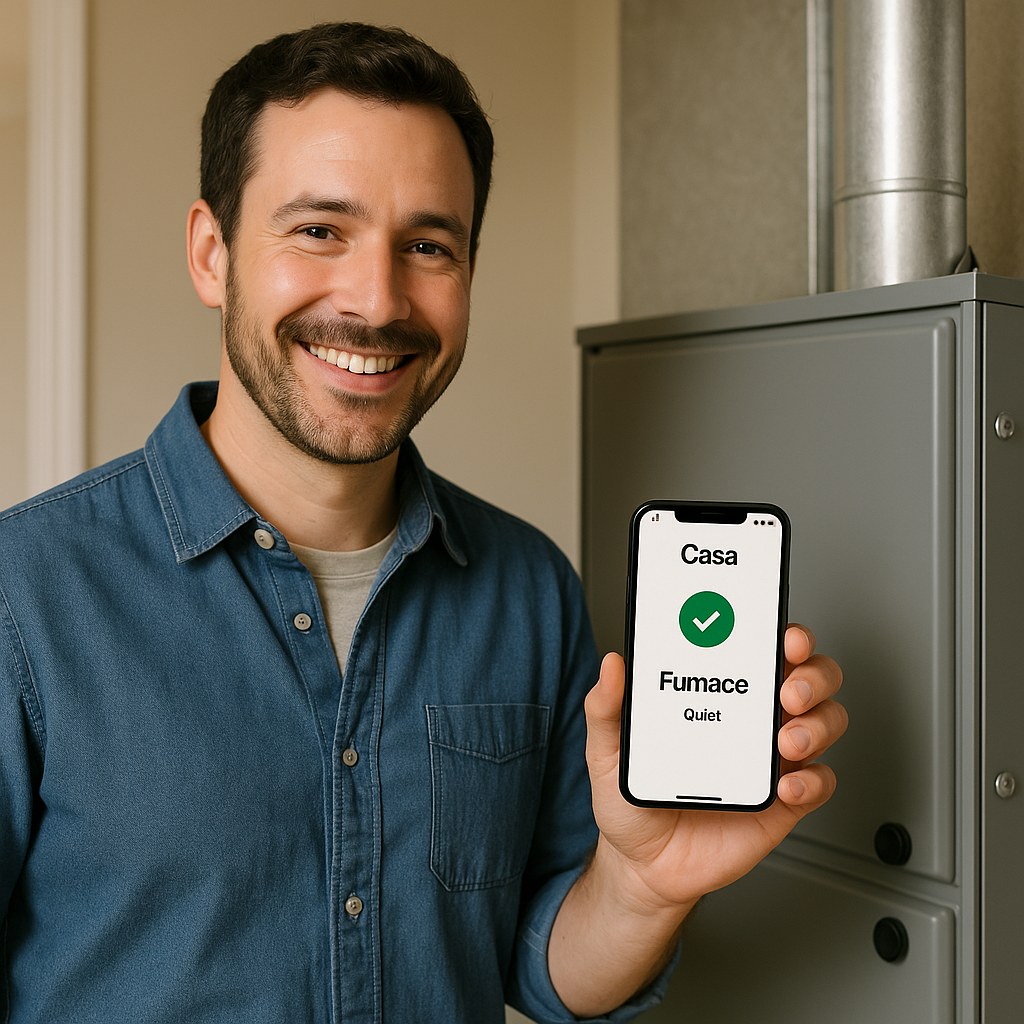
For more easy-to-follow guides, personalized maintenance reminders, and a direct line to vetted professionals when you need them, download the Casa app today. We put expert home-care knowledge right in your pocket, empowering you to tackle any project with confidence. Stop worrying about strange noises and start enjoying a quiet, comfortable home.