How to Fix a Loud Noisy Dryer A Step by Step Guide
Loading content…

Loading content…



That disruptive symphony of squeals, thumps, and rattles coming from your laundry room can be more than just a minor annoyance. A loud dryer can signal anything from a simple imbalance to a worn-out part that needs attention. The good news? You don't have to be an appliance expert to diagnose and fix many of the common causes of a noisy dryer.
Before you pick up the phone to schedule an expensive repair visit, let's walk through some troubleshooting steps together. Think of me as your friendly expert on the other end of the line, guiding you through the process. Most of these fixes can be done with a few basic tools and a little bit of time, saving you money and restoring peace to your home.
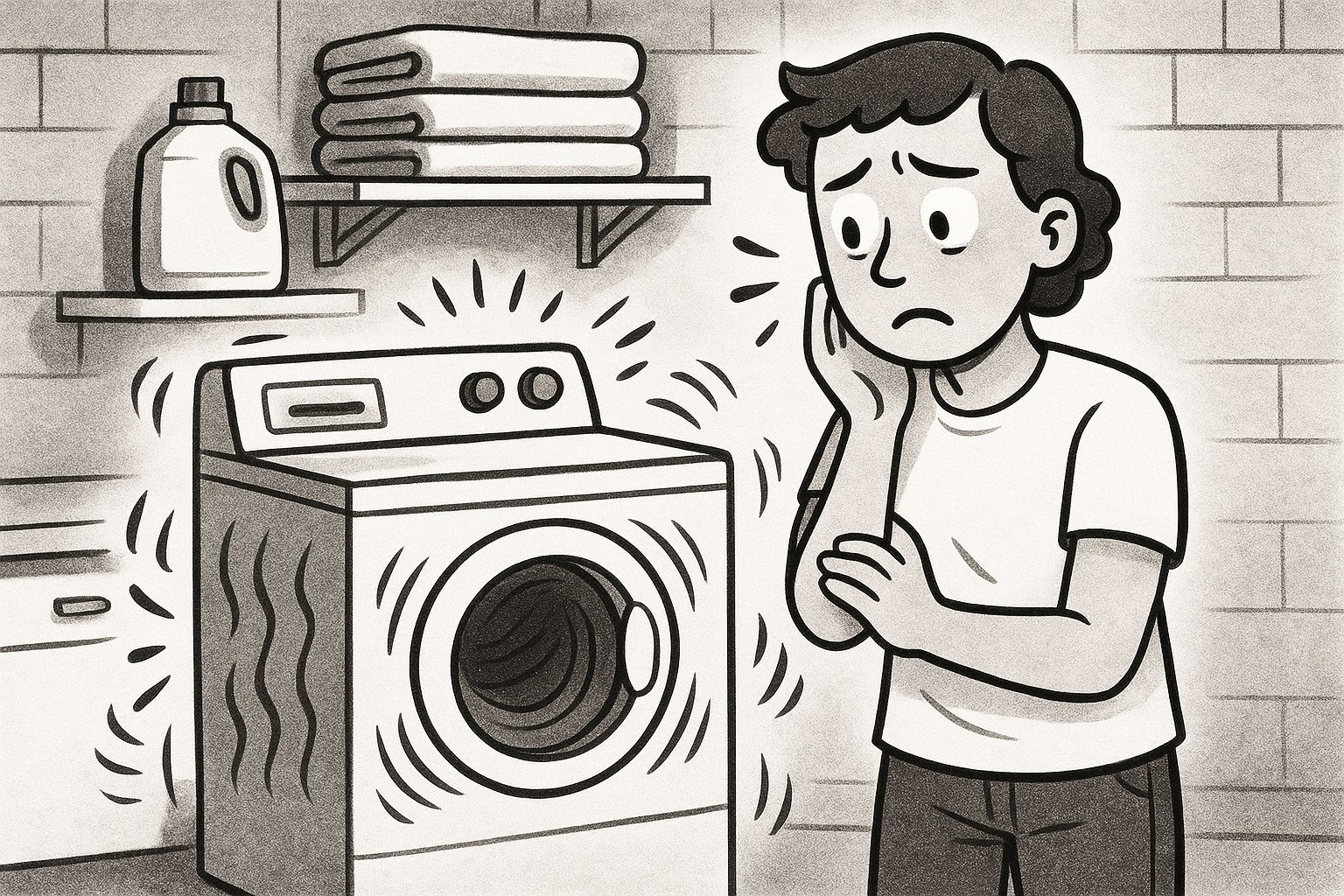
In this guide, we'll cover the essential checks, help you identify what that specific noise is telling you, and provide step-by-step instructions to get your dryer running smoothly and quietly again.
Sometimes the simplest solutions are the most effective. Before we start disassembling anything, let's rule out the most common and easiest-to-fix culprits. These issues can cause vibrations and noise that make it seem like a major component has failed.
Safety Note: Always unplug your dryer from the electrical outlet before performing any checks or repairs. If you have a gas dryer, it's also a good practice to turn off the gas supply valve.
Level Your Dryer: A dryer that isn't perfectly level can vibrate excessively during a cycle, creating a loud, rumbling noise. Grab a carpenter's level and place it on top of the dryer. Check it from front-to-back and side-to-side. If the bubble isn't centered, adjust the leveling feet at the bottom of the machine. Most feet can be twisted by hand or with a wrench to raise or lower each corner until the unit is stable and level.
Clear the Area: Items sitting on top of or next to your dryer can rattle and vibrate, creating extra noise. Remove any laundry baskets, detergent bottles, or other objects and run a cycle to see if that solves the problem.
Check Inside the Drum: It’s happened to all of us. A stray coin, a set of keys, or a metal button on a pair of jeans can get caught in the drum and make a terrible racket. Open the dryer door and carefully inspect the inside of the drum for any foreign objects. Pay close attention to the baffles (the fins that tumble the clothes).
Clean the Lint Filter and Chute: While a clogged lint filter is more of a fire hazard than a noise issue, debris can sometimes get trapped in the chute below the filter. Pull out the lint filter and use a vacuum with a long, narrow attachment to clean out the lint chute thoroughly.
Once you’ve completed these checks, plug the dryer back in and run a short, empty cycle. Is the noise gone? If so, congratulations! You’ve just solved the problem. If the noise persists, it’s time to play detective and figure out what kind of sound your dryer is making.
The specific type of noise your dryer is making is the best clue to diagnosing the underlying problem. Let's run the dryer empty for a minute and listen closely.
A persistent, high-pitched squeal often points to an issue with the parts that support and spin the drum. The two most likely culprits are a worn-out drum belt or a faulty idler pulley.
The drum belt is a long rubber belt that wraps around the drum and is driven by the motor. The idler pulley is a small wheel that applies tension to the belt to keep it from slipping. Over time, the belt can fray or crack, and the pulley's bearing can wear out, causing that ear-piercing squeal.
How to Inspect the Drum Belt and Idler Pulley:
Replacing a drum belt or idler pulley can be a moderately difficult DIY job. If you find that one of these parts is worn out, you can call an appliance technician to handle the replacement.
If you hear a rhythmic thumping sound that gets faster as the drum spins, the problem is likely worn drum rollers. These are small wheels, usually located at the back of the drum, that support its weight as it turns. Over time, the rubber on these rollers can wear down, causing them to become misshapen. This creates a "thump-thump-thump" sound with every rotation.
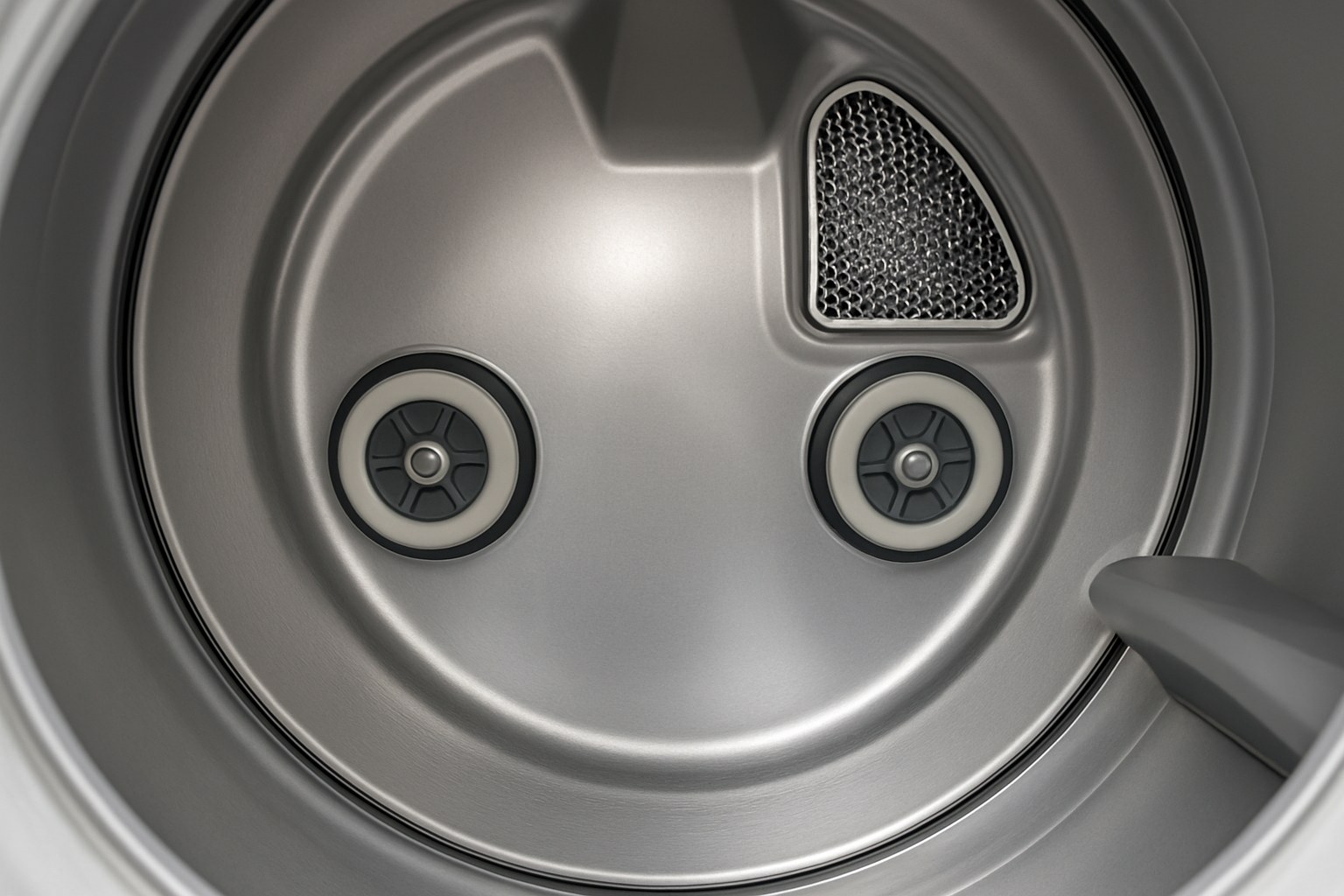
How to Inspect the Drum Rollers:
Replacing drum rollers is a common repair, but it requires significant disassembly of the dryer. If you’re not comfortable with that level of work, an appliance technician can service or replace them for you.
A loud rattling or banging noise can be alarming, but it often has a straightforward cause. It could be as simple as a loose panel on the dryer's cabinet, or it could be an object trapped in the blower wheel. The blower wheel is a fan that circulates hot air through the drum and out the vent. Small items like screws, coins, or even a pen can get sucked into the blower housing and rattle around.
How to Check for Loose Panels and the Blower Wheel:
If you've cleaned the blower housing and tightened all the panels but the rattling persists, the motor itself may be damaged, and it's time to call in a professional.
While many dryer noises can be fixed at home, some jobs are best left to the experts. If you've identified a worn-out belt, pulley, or roller, or if the noise seems to be coming directly from the motor, calling an appliance technician is your best bet.
According to HomeAdvisor, the average cost to repair a dryer is typically between $100 and $400. By performing the initial diagnosis yourself, you can give the technician a head start, potentially saving them time and saving you money on the final bill.
Fixing a noisy dryer is a rewarding DIY project that can save you from a costly repair bill and bring some much-needed quiet back to your home. By carefully listening to the noise and following these steps, you can confidently tackle the problem.
For more helpful home maintenance guides, expert tips, and a simple way to connect with trusted service professionals when you need them, download the Casa app today! Casa is designed to empower homeowners like you to manage and maintain your home with confidence. Whether it's a noisy dryer or a leaky faucet, we're here to help you every step of the way.