How to Fix a Loose Circuit Breaker A DIY Guide
Loading content…
Loading content…



There are few home maintenance issues more unsettling than discovering a problem in your electrical panel. If you've noticed a circuit breaker that feels wobbly, loose, or just doesn't seem right, your concern is justified. A loose circuit breaker isn't just a minor annoyance; it's a potential fire hazard that needs to be addressed immediately.
The connection between a circuit breaker and the panel's bus bar is critical. When it's loose, it can lead to electrical arcing—tiny, high-temperature sparks that jump the gap. This arcing generates intense heat, which can melt the breaker, damage the panel, and even ignite a fire.
The good news is that sometimes the fix is simple. The better news is that you've found a guide that will walk you through how to diagnose the issue safely. We'll help you determine if this is a simple reseating job you can handle yourself or a more complex problem that requires a professional electrician.
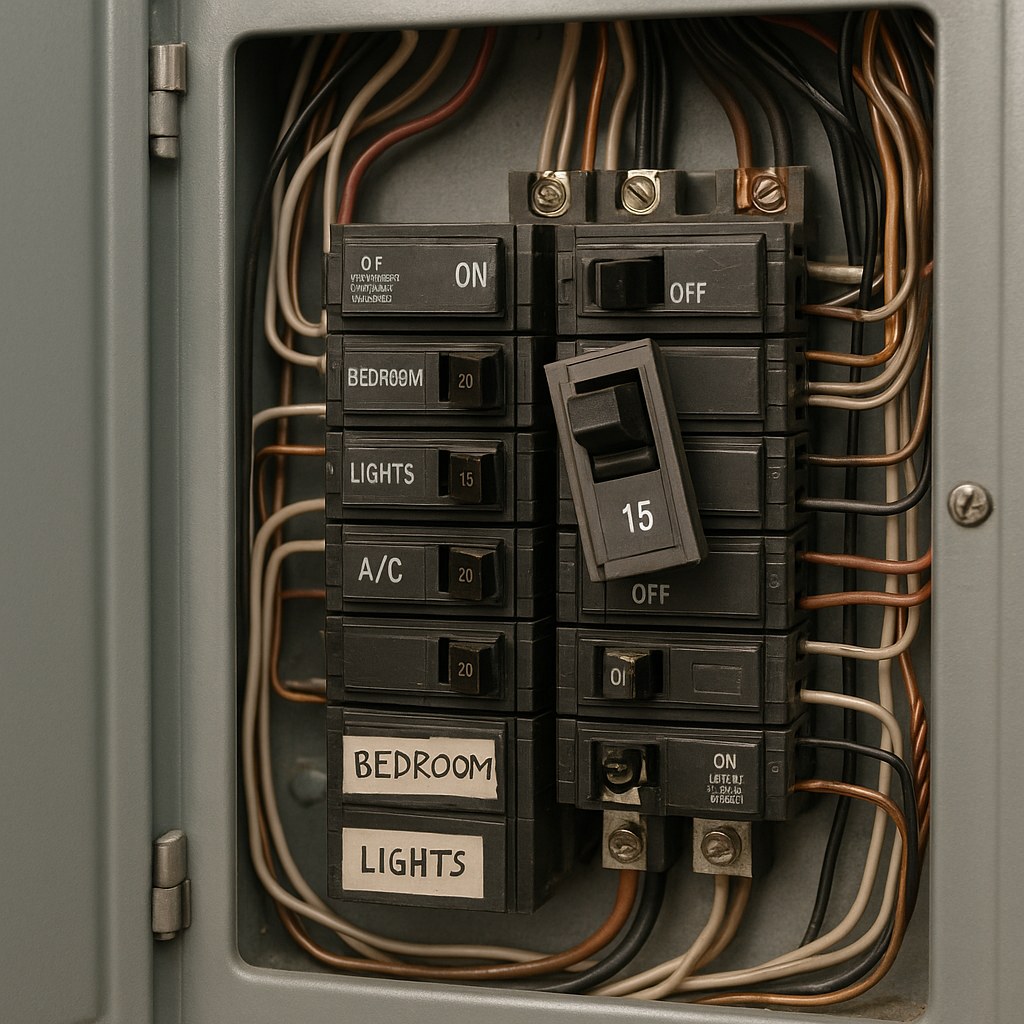
Before we go any further, let's be crystal clear: working inside an electrical panel is extremely dangerous and can be fatal if not done correctly. Even when you turn off the main breaker, the large service lugs where the main power lines enter the panel are always live. Touching them can cause severe electrical shock or death.
Do not proceed if you:
If you have any doubt at all, stop what you are doing and call a licensed electrician. Your safety is not worth the risk.
Your first goal is to get a clear look inside the panel without touching anything conductive. This requires careful preparation.
Tools and Gear You'll Need:
Procedure:
Now, with the cover off, use your flashlight to perform a thorough visual inspection from a safe distance. Do not touch anything inside.
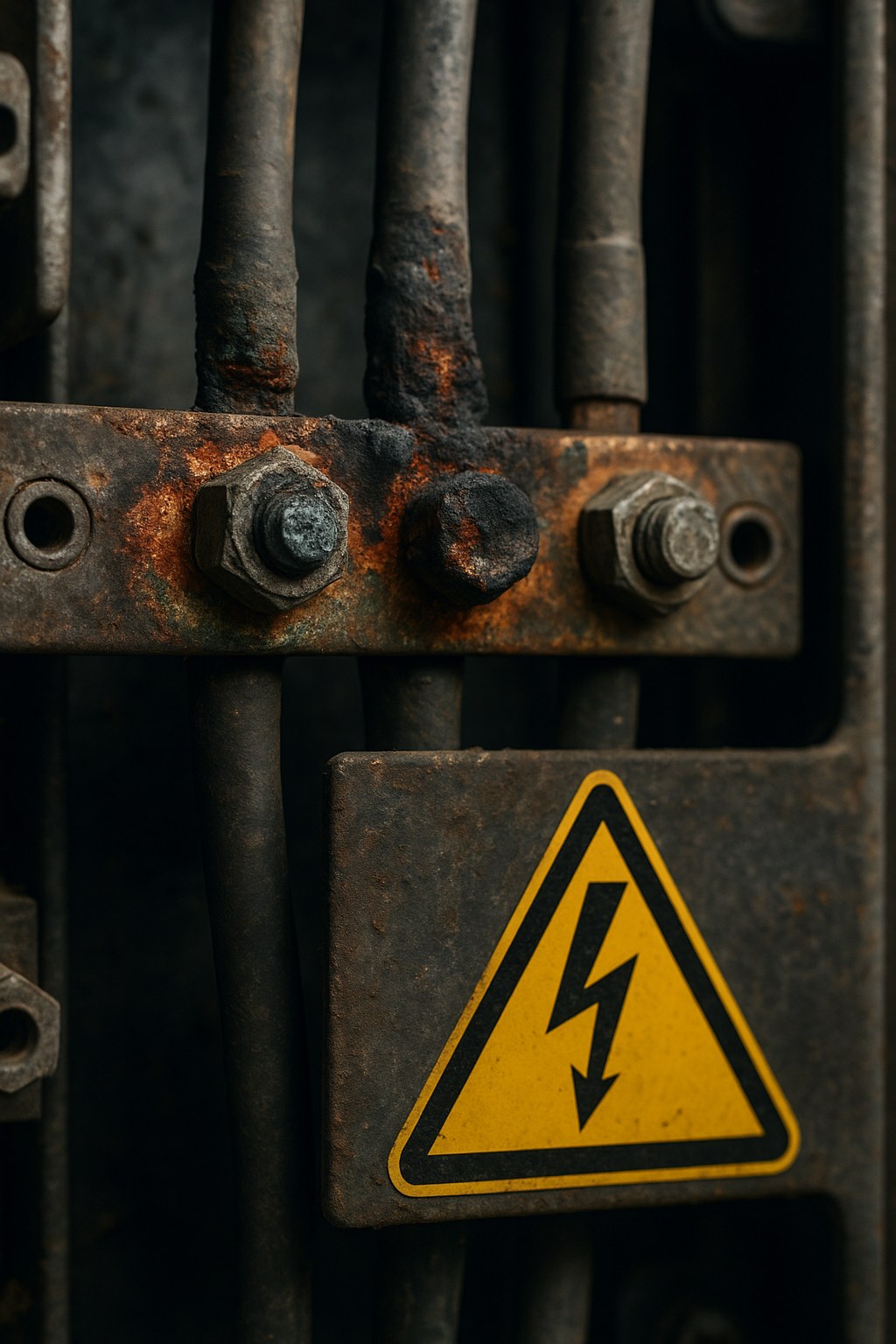
Look for any of these immediate red flags:
If you see any of these signs, the problem is beyond a simple loose breaker. Put the cover back on and call a licensed electrician immediately. These are symptoms of a more serious issue like sustained arcing or overheating.
With the main power off, it's safe to touch the plastic handles of the circuit breakers. Some breakers have a small amount of natural "play" or wiggle room. Your task is to determine if your breaker's movement is excessive.
Does the breaker in question move significantly more than the others? If the movement is comparable, what you're feeling is likely normal for your panel. You can safely reinstall the cover and restore power. However, if it's noticeably looser, it's time to investigate further.
There are two primary ways a breaker connects to the panel:
Look closely at your loose breaker. If you see a mounting screw, it's a bolt-on. If not, it's a snap-in. This distinction is key for the next step.
Often, a loose breaker simply wasn't installed correctly or has shifted over time. Reseating it can solve the problem.
For a Snap-in Breaker: With the main breaker still off, place your thumb on the outer edge of the loose breaker (the side away from the center of the panel). Press it firmly toward the back of the panel. You should feel or hear a solid "click" as it seats properly onto the bus bar. Wiggle it again; the looseness should be gone.
For a Bolt-on Breaker: Using the appropriate screwdriver, turn the mounting screw clockwise until it is snug. Do not overtighten it, as this can crack the breaker's housing. Wiggle the breaker again to confirm it is now firm.
If either of these steps worked, you've likely fixed the problem! You can now proceed to the final step of restoring power. If the breaker is still loose, it's likely that the breaker's mounting clips (on a snap-in model) or the bus bar itself is damaged. This means the breaker must be replaced.
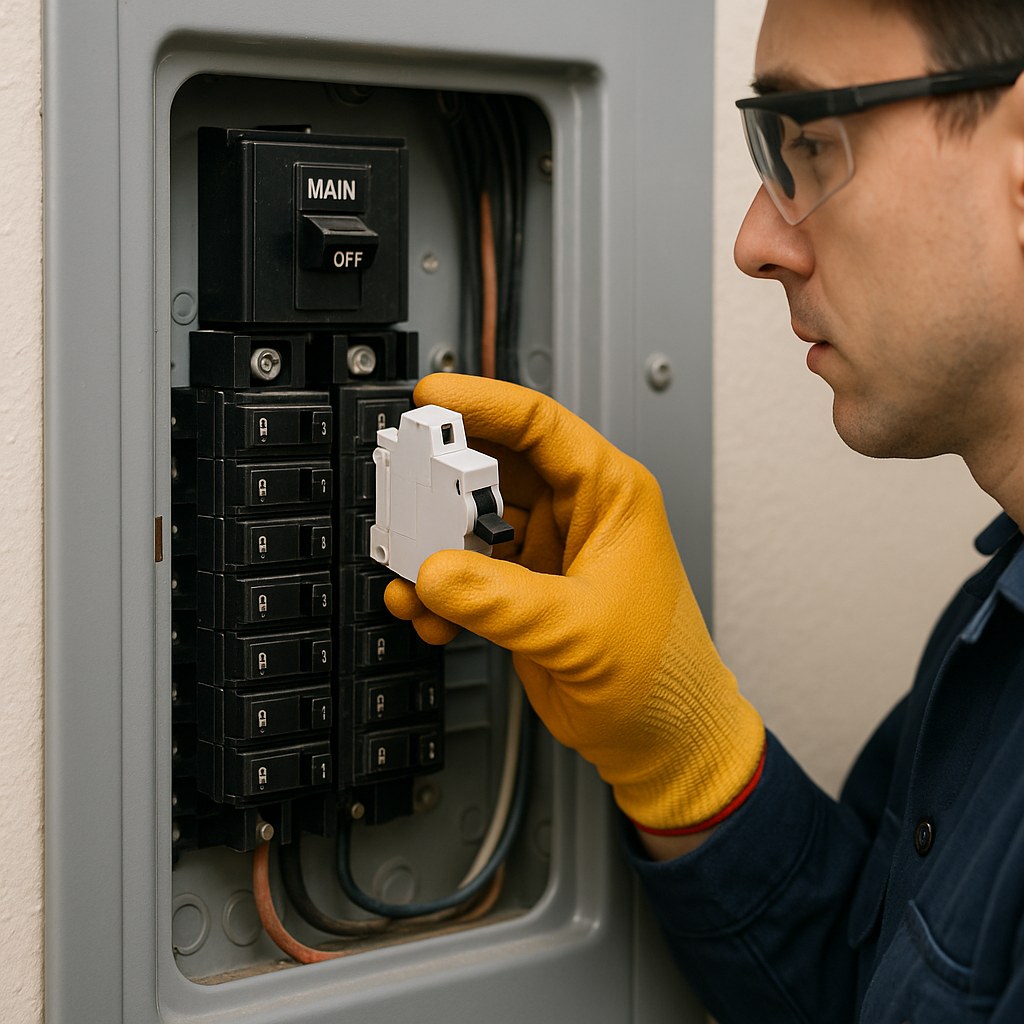
If reseating didn't work, replacement is your next option. This is an advanced DIY task. If you've felt uncomfortable at any point so far, this is your final off-ramp to call a professional.
This is the most critical part of the replacement. Installing the wrong breaker is a code violation and a serious fire hazard. According to the National Electrical Code (NEC), you must use breakers specifically listed and classified for your panel.
To get the right one:
Fixing a loose breaker can be very cost-effective if you can safely do it yourself.
Tackling a loose circuit breaker is a job that demands respect for the power you're dealing with. By following these steps cautiously, you can safely diagnose and often fix the problem yourself. However, the golden rule of electrical work always applies: when in doubt, call a pro.
For more expert home maintenance guides, personalized reminders, and a direct line to vetted professionals in your area, download the Casa app today. We're here to give you the confidence to manage your home, whether you're handling it yourself or need to call in for backup.