How to Fix a Heat Pump That Is Not Cooling
Loading content…

Loading content…



There’s nothing worse than coming inside on a sweltering day, expecting a blast of cool air, only to be met with lukewarm or even warm air blowing from your vents. If your heat pump is failing to cool your home, your first thought might be an expensive repair call. But don't pick up the phone just yet.
Many of the most common reasons a heat pump stops cooling are surprisingly simple to fix yourself. With a little bit of troubleshooting, you can often get your system back up and running in under an hour, saving you time, money, and a whole lot of sweat.
This guide will walk you through the essential checks, from the thermostat to the outdoor unit, to help you diagnose and solve the problem like a pro.
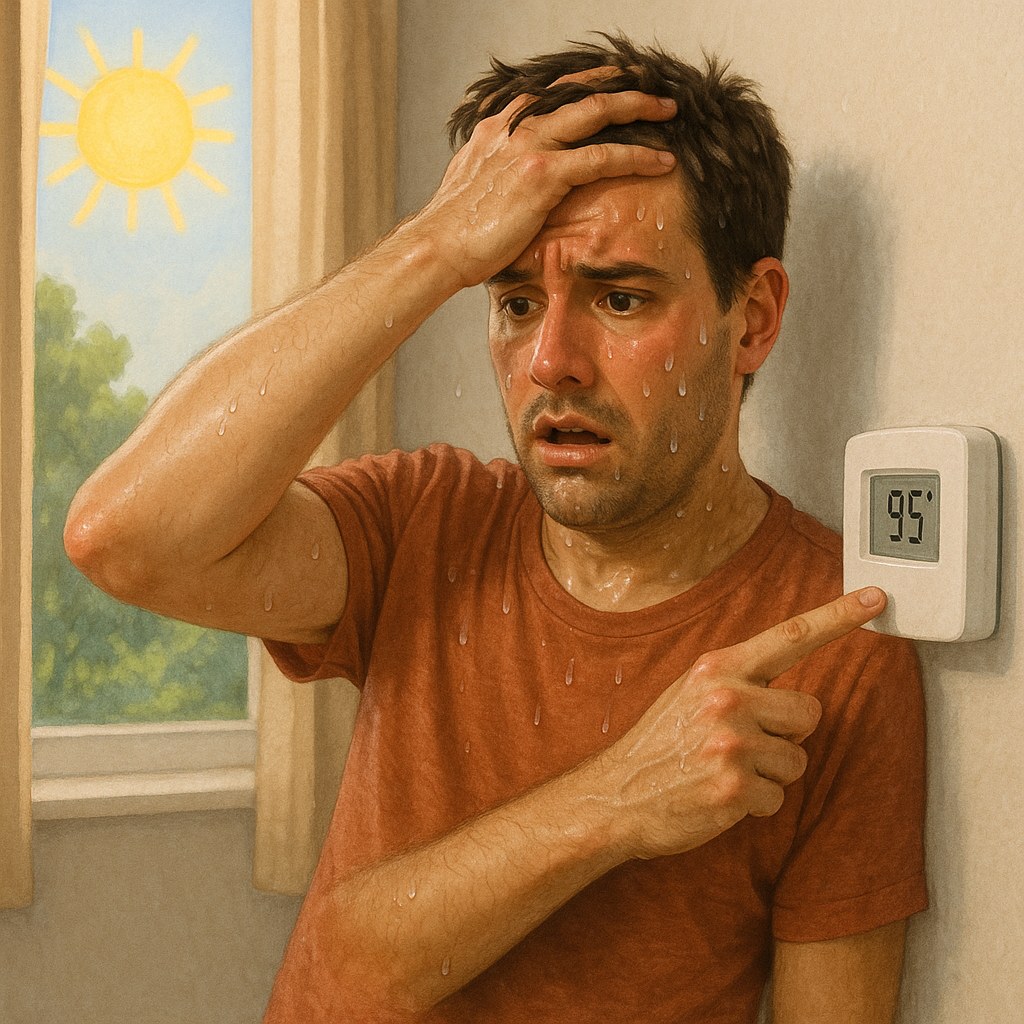
Before we dive into the fixes, it helps to understand what a heat pump does. Unlike a traditional air conditioner that generates cold air, a heat pump works by moving heat. In cooling mode, it extracts heat from inside your home and transfers it outside, leaving you with refreshingly cool air.
When this process fails, it's often due to one of these common issues:
Now, let's work through these issues step-by-step to get your cool air flowing again.
We’ll start with the easiest and most common fixes inside your home and work our way to the outdoor unit.
Your thermostat is the brain of your HVAC system. If it’s not set correctly or doesn't have power, your heat pump won't know it’s supposed to be cooling.
1. Check for Power: Look at your thermostat's display. Is it lit up? If the screen is blank, you have a power issue.
If you’ve done this and the thermostat is still blank, you may have a wiring issue that requires a professional.
2. Verify the Settings: Once you confirm the thermostat has power, check these three things:
After adjusting the settings, wait about 5-10 minutes. Sometimes, there's a built-in delay to protect the compressor. If cool air starts flowing, congratulations! You've solved it. If not, it's time to check for airflow problems.
Restricted airflow is a huge performance killer for any HVAC system. If air can't move freely through the system and into your rooms, your heat pump can't cool effectively. The most common culprit is a dirty filter.
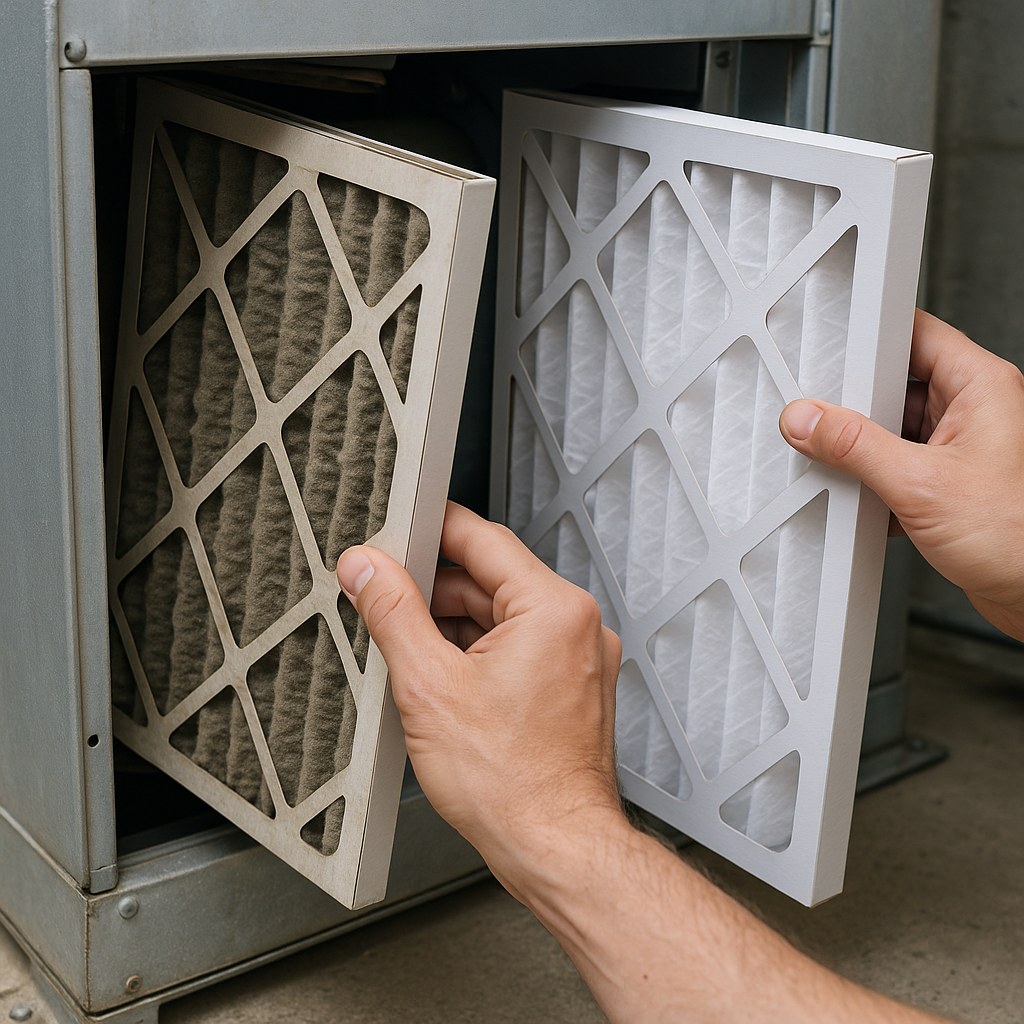
The steps here depend on whether you have a traditional ducted system (with vents in your floors or ceilings) or a ductless mini-split system (with wall-mounted indoor units).
Once you’ve replaced the filter and cleared the vents, turn the system back on and see if cool, strong airflow is restored.
After reinserting the filters and checking the louver, turn the unit back on. If poor airflow was the problem, you should feel a significant difference.
If your thermostat is set correctly and your indoor airflow is strong but the air still isn't cold, the problem may be outside. The outdoor unit (the condenser) is responsible for releasing all the heat it has collected from your home. If it's dirty or blocked, the heat gets trapped, and your system can’t cool.
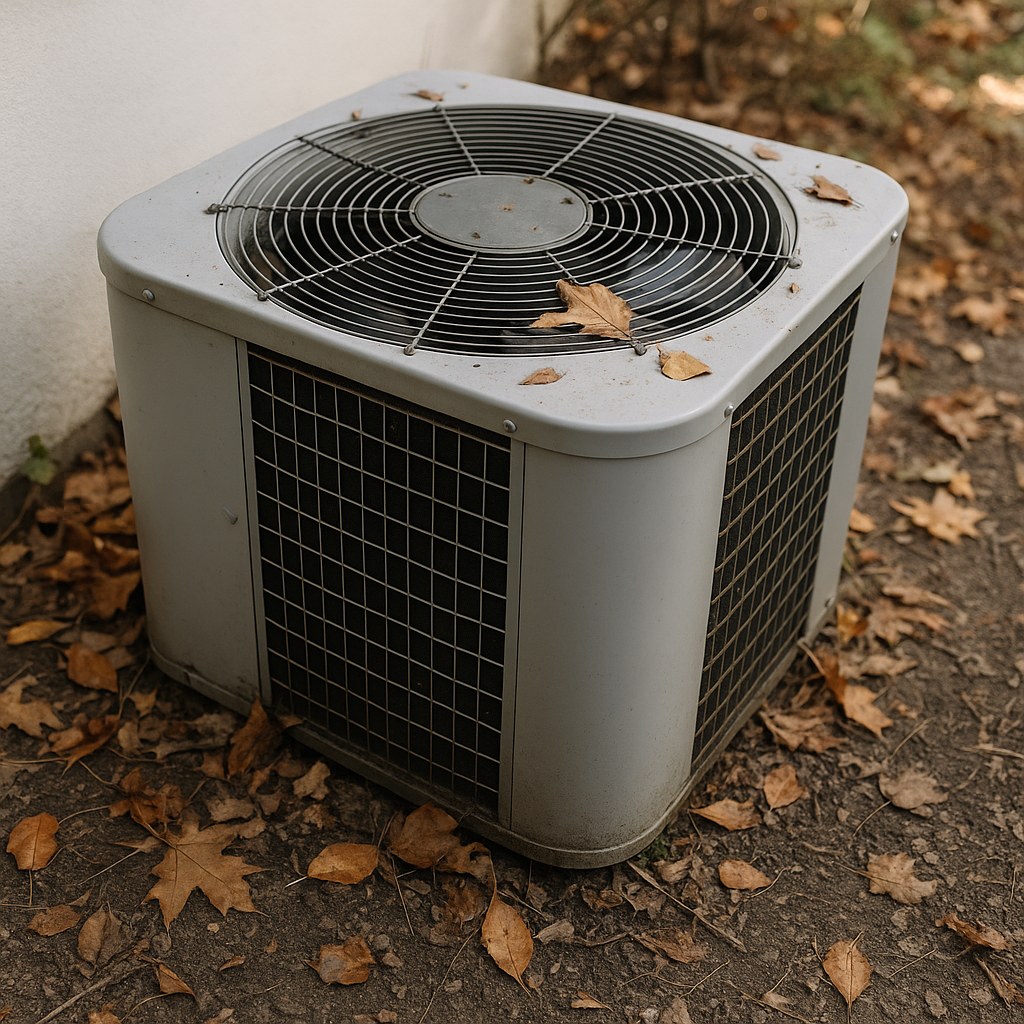
Important Safety Note: Before you do any work on the outdoor unit, you must turn off its power. Look for a metal disconnect box mounted on the wall near the unit and pull the handle or switch it off. You should also turn off the corresponding breaker in your main electrical panel for good measure.
Once the unit is clean and clear, restore the power and turn your thermostat back to "Cool." Wait about 10-15 minutes. If a dirty condenser was the culprit, your system should begin to cool properly.
If you've gone through all the steps above and your heat pump is still blowing warm air, the issue is likely more complex and requires an expert. According to HomeAdvisor, the average cost to hire an HVAC technician is between $150 and $600, depending on the repair.
Call a qualified HVAC professional if you notice:
These issues are not safe or practical for a DIY fix. A professional has the tools and training to diagnose and repair problems with the compressor, reversing valve, or refrigerant levels.
Fixing a heat pump that isn't cooling is often a simple process of elimination. By starting with the basics, you can solve the majority of problems yourself. Regular preventative maintenance, like changing your filter every month and hosing down your outdoor unit each season, can prevent these issues from happening in the first place.
For more helpful home maintenance guides or to connect with a trusted HVAC technician when a DIY fix isn't enough, download the Casa app today! We’re here to empower you to manage your home with confidence, whether you’re tackling the job yourself or need to find a reliable pro.