That sudden, unfamiliar noise from your dishwasher is enough to make anyone pause. Whether it's a loud rattling, a rhythmic banging, or a high-pitched squeal, a noisy dishwasher can disrupt the peace of your home and leave you wondering if a costly repair is on the horizon.
The good news? You can often solve the problem yourself with a little bit of investigation. Many of the most common causes of a loud dishwasher are simple fixes that don't require special tools or a professional service call. In fact, according to Consumer Reports, around 20% of dishwashers will experience a problem within the first five years, and many of these are minor issues.
In this guide, we'll walk you through the process of diagnosing and fixing your noisy dishwasher, just like an expert would over the phone. We'll help you identify the specific sound, pinpoint the cause, and get your kitchen back to its quiet, efficient self.
First Things First: Become a Noise Detective
Before you can fix the problem, you need to understand it. Different noises point to different issues, so your first step is to listen carefully.
To get a clear sense of the sound without dishes clanking around, here's what to do:
- Empty the Dishwasher: Remove all dishes, utensils, and racks from the dishwasher.
- Run a Short Cycle: Close the door and select a quick rinse or wash cycle.
- Listen and Observe: Stand nearby and listen closely as the dishwasher fills, washes, drains, and rinses. Take note of what kind of sound you hear and when it happens during the cycle.
Is it a...
- Rattling or Clattering Sound? Usually occurs during the wash or rinse phases.
- Banging or Thumping Sound? A heavy, rhythmic noise that might even vibrate the cabinets.
- High-Pitched Squealing or Whining? Most noticeable when the dishwasher is draining water.
- Constant Humming or Grinding Noise? A persistent, mechanical sound that lasts throughout the cycle.
Once you’ve identified the noise, you can jump to the right section below to find the solution.
Troubleshooting a Rattling or Clattering Sound
This is by far the most common (and thankfully, the easiest) dishwasher noise to fix. A rattling sound almost always means something is loose inside the dishwasher and is being hit by the spray arms.
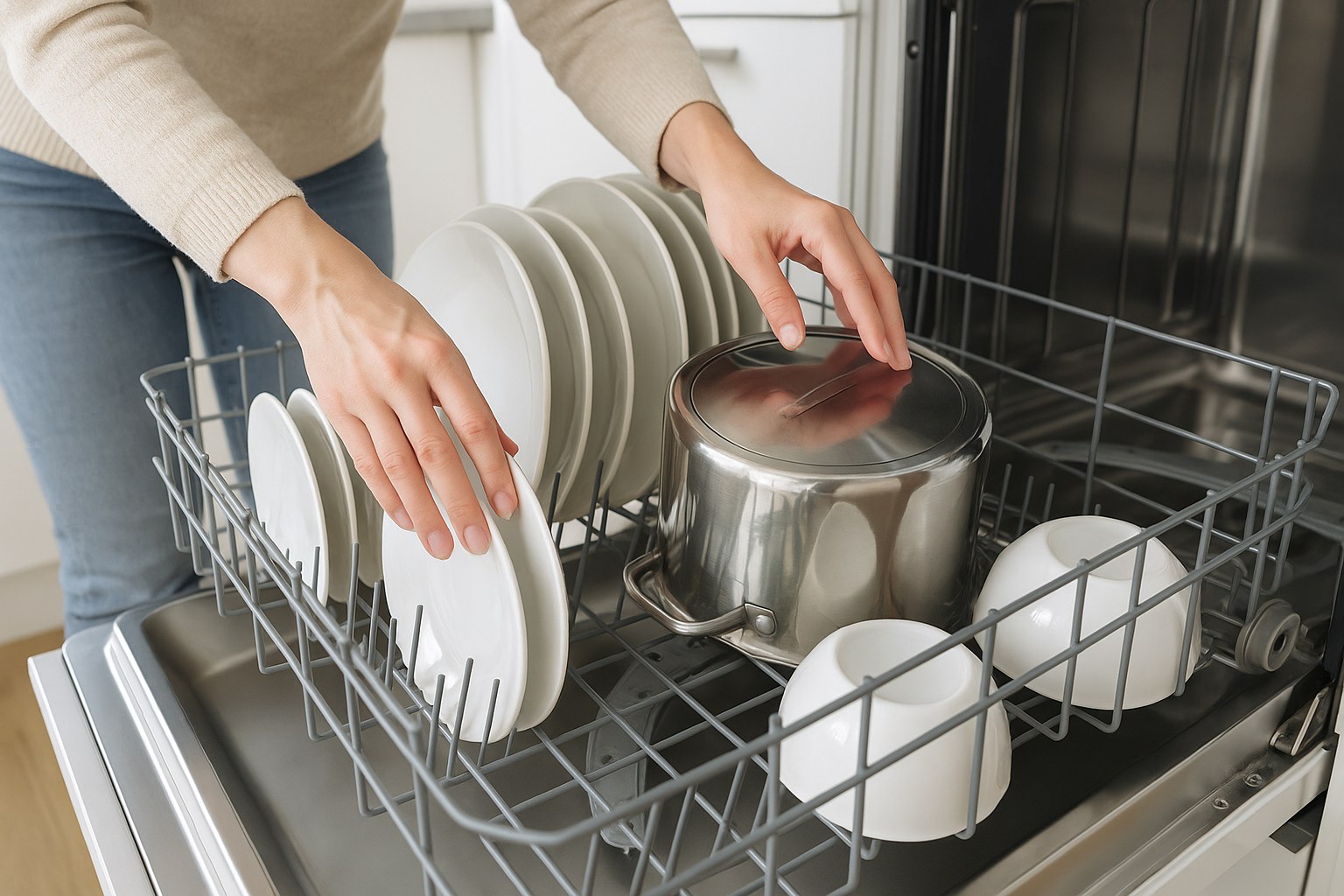
Step 1: Check Your Dish Loading and Secure Internal Parts
The powerful jets of water can move lightweight items around, and improperly placed dishes can block the spray arms.
- Check Dish Placement: Open the dishwasher and look for any dishes, utensils, or plastic containers that may have shifted. Ensure nothing is hanging below the racks where it could obstruct the spinning arms. Large cookie sheets or cutting boards are common culprits.
- Spin the Spray Arms: Gently spin the upper and lower spray arms by hand. They should rotate a full 360 degrees without hitting anything. If they bump into a dish, rearrange the rack.
- Secure the Filter: Check the removable filter at the bottom of the dishwasher tub. If it’s not locked securely in place, it can rattle around during a cycle.
After you've rearranged everything, run another quick cycle. If the noise is gone, you've solved it! This is a great reminder to be mindful of how you load your dishwasher.
Step 2: Inspect the Spray Arms for Damage
If securing the dishes didn't work, the spray arm itself might be the problem. Over time, the plastic can crack, or food debris can get trapped inside, causing an unbalanced, rattling spin.
- Safety First: Turn off the power to your dishwasher at the circuit breaker.
- Remove the Spray Arms: The lower spray arm usually lifts straight off. The upper one might be held by a plastic nut or clip—turn it to release and pull the arm down.
- Inspect for Damage: Look closely for any cracks, splits, or melted spots on the plastic.
- Check for Debris: Shake the arm gently. If you hear rattling, it means seeds, glass, or other small debris are trapped inside. Try to dislodge them by running water through the arm in your sink or using a pair of needle-nose pliers to pull them out of the spray holes.
If a spray arm is cracked or hopelessly clogged, you’ll need to replace it. They are typically inexpensive and easy to order online based on your dishwasher’s model number. If the arms look fine, but the noise persists, it could be a sign of a more serious issue with the pump or motor, and it may be time to call a professional.
Troubleshooting a Banging or Thumping Sound
A loud, rhythmic thumping that shakes the machine often indicates that the dishwasher is not level or secured properly. It can also be caused by the spray arm hitting a large, fallen item, so be sure to check that first.
If the interior is clear, the issue is likely with the installation.
- Remove the Toe-Kick Panel: This is the panel at the very bottom of your dishwasher. It's usually held in place by a couple of Phillips head screws.
- Check for Level: Place a carpenter's level on the bottom of the open dishwasher door and then on the rack track inside. Check it both side-to-side and front-to-back.
- Adjust the Leveling Feet: Most dishwashers have adjustable feet. You can turn them with your fingers or a pair of pliers to raise or lower each corner until the unit is perfectly level.
- Secure the Mounting Brackets: Look at the top of the dishwasher frame, right under your countertop. There should be two brackets that screw the dishwasher to the underside of the counter. Make sure these screws are tight. If they are loose, the entire unit can shift and bang against the cabinets during a cycle.
- Re-install the Toe-Kick Panel: Once everything is level and secure, put the panel back on.
Run another cycle. If the banging is gone, you've successfully re-stabilized your machine. If the noise continues, there could be an issue with internal components, and professional help is recommended.
Troubleshooting a High-Pitched Squealing or Whining
A squealing noise, especially during the drain cycle, is a cry for help from your drain pump. It usually means the filter is clogged, or a hard piece of debris is interfering with the pump's impeller.
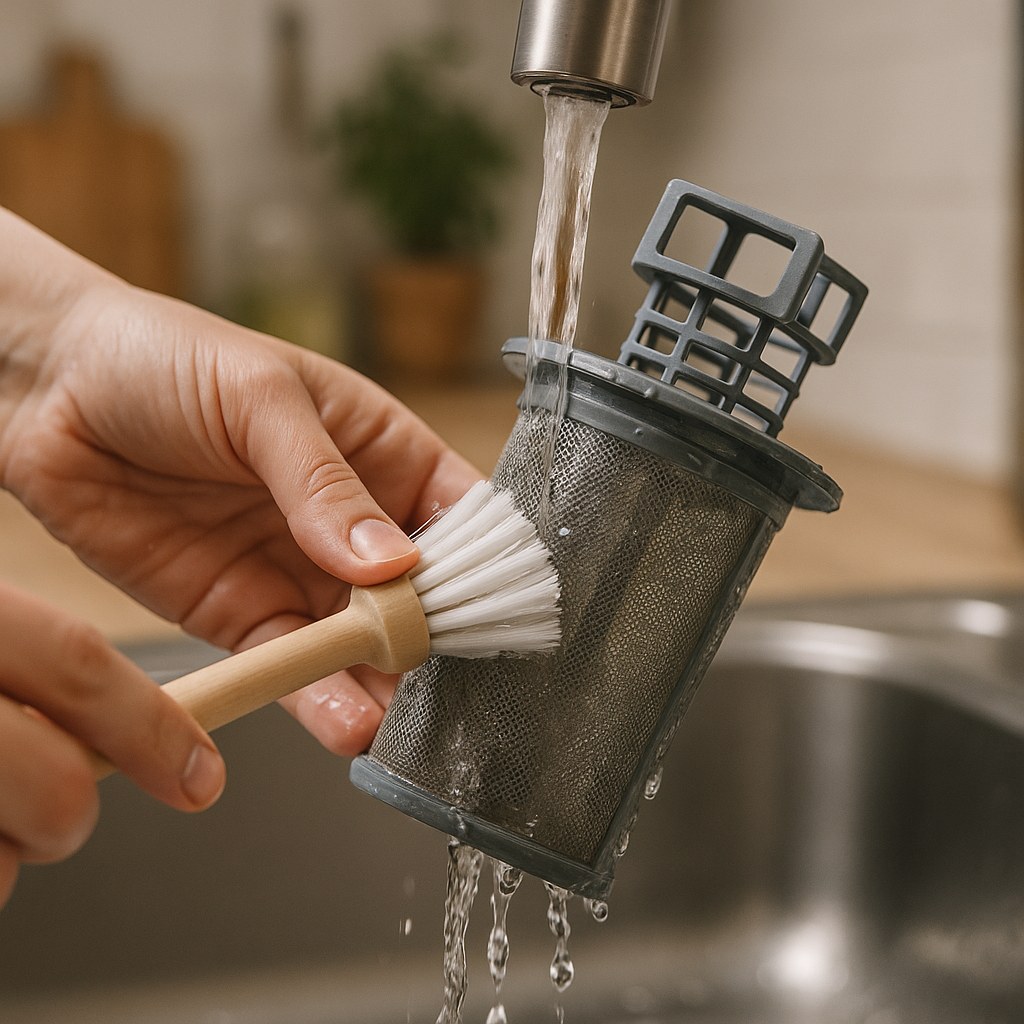
- Locate and Remove the Filter: The filter is a cylindrical component located on the floor of the dishwasher tub. Twist it counter-clockwise to unlock it, then lift it out along with the mesh screen underneath.
- Clean the Filter Thoroughly: Take both parts to your sink and rinse them under warm water. Use a soft brush to gently scrub away any food particles, grease, and grime. A clean filter is essential for a quiet, effective dishwasher.
- Check the Sump: With the filter removed, look into the sump opening where the filter was sitting. This is where the drain pump is located. Look for any foreign objects like glass shards, fruit pits, or bones that might have gotten past the filter. Carefully remove them.
- Re-install the Filter: Place the clean mesh screen and filter back into the sump, and twist it clockwise to lock it securely in place.
Run a rinse cycle. In most cases, cleaning the filter will solve the squealing. If the noise persists, the drain pump itself may be failing and will likely need to be replaced by a technician.
Troubleshooting a Constant Humming or Grinding Noise
A deep, continuous grinding or humming sound is one of the more concerning noises. It often indicates a problem with the main circulation pump, which is responsible for spraying water through the arms. The cause is often a hard object, like a piece of bone or glass, stuck in the pump's impeller.
- Turn Off the Power: This is critical. Go to your home's circuit breaker panel and shut off the power to the dishwasher.
- Access the Sump: Open the dishwasher door, remove the lower rack, and take out the filter assembly, just as you would for cleaning it.
- Locate the Impeller: Shine a flashlight into the sump opening. You should be able to see the small, plastic blades of the circulation pump's impeller.
- Remove the Obstruction: Carefully use a pair of pliers or tweezers to remove any debris stuck in or around the impeller. Be gentle to avoid damaging the plastic blades.
- Check for Free Movement: Once clear, use a screwdriver or your finger to gently push on the impeller blades. They should spin freely. If they feel stiff or won't move, the motor may be seized.
- Reassemble and Test: Put the filter and lower rack back in place, restore power at the breaker, and run a test cycle.
If clearing the obstruction solves the grinding, you've saved yourself a significant repair bill. If the grinding continues, the motor is likely failing and will need to be replaced.
When Is It Time to Call a Professional?
While DIY fixes can solve many issues, some problems require an expert. You should call an appliance repair technician if:
- You've tried these troubleshooting steps, and the noise continues.
- You've found a cracked or broken part that you're not comfortable replacing yourself.
- The noise is a loud grinding or humming that persists even after you've cleared the pump.
- The dishwasher is also leaking or not cleaning your dishes properly.
Hiring a professional typically costs between $100 and $250, but it ensures the job is done safely and correctly, especially for complex motor or pump replacements.
Your Partner in Home Maintenance
Fixing a noisy dishwasher is a rewarding DIY project that can save you time and money. By taking a few minutes to diagnose the sound and follow these simple steps, you can often restore peace and quiet to your kitchen.
For more easy-to-follow guides on common home repairs, expert tips, and a direct line to trusted professionals when you need them, download the Casa app today. We're here to empower you to manage your home with confidence, one fix at a time.