How to Deal With a Rotting Tree or Fungal Growth
Loading content…

Loading content…



Seeing mushrooms sprouting at the base of a beloved oak or noticing soft, crumbly bark on your favorite maple can be a heart-stopping moment for any homeowner. A tree is more than just landscaping; it’s a source of shade, beauty, and memories. The thought of it being sick or, worse, becoming a hazard, is a genuine concern.
The good news is that not all signs of decay or fungus spell doom for your tree. Many issues, when caught early, can be managed with some straightforward DIY care. The key is knowing how to assess the situation correctly and understanding when a problem is beyond a simple fix and requires a professional eye.
Ignoring a potentially sick tree can lead to catastrophic failure, causing thousands of dollars in property damage. On the other hand, hiring a professional for a minor issue might be an unnecessary expense. This guide is designed to be your friendly expert, walking you through a step-by-step assessment of your tree’s health. We’ll help you diagnose the problem, tackle manageable repairs, and recognize the critical signs that mean you need to call a certified arborist right away.
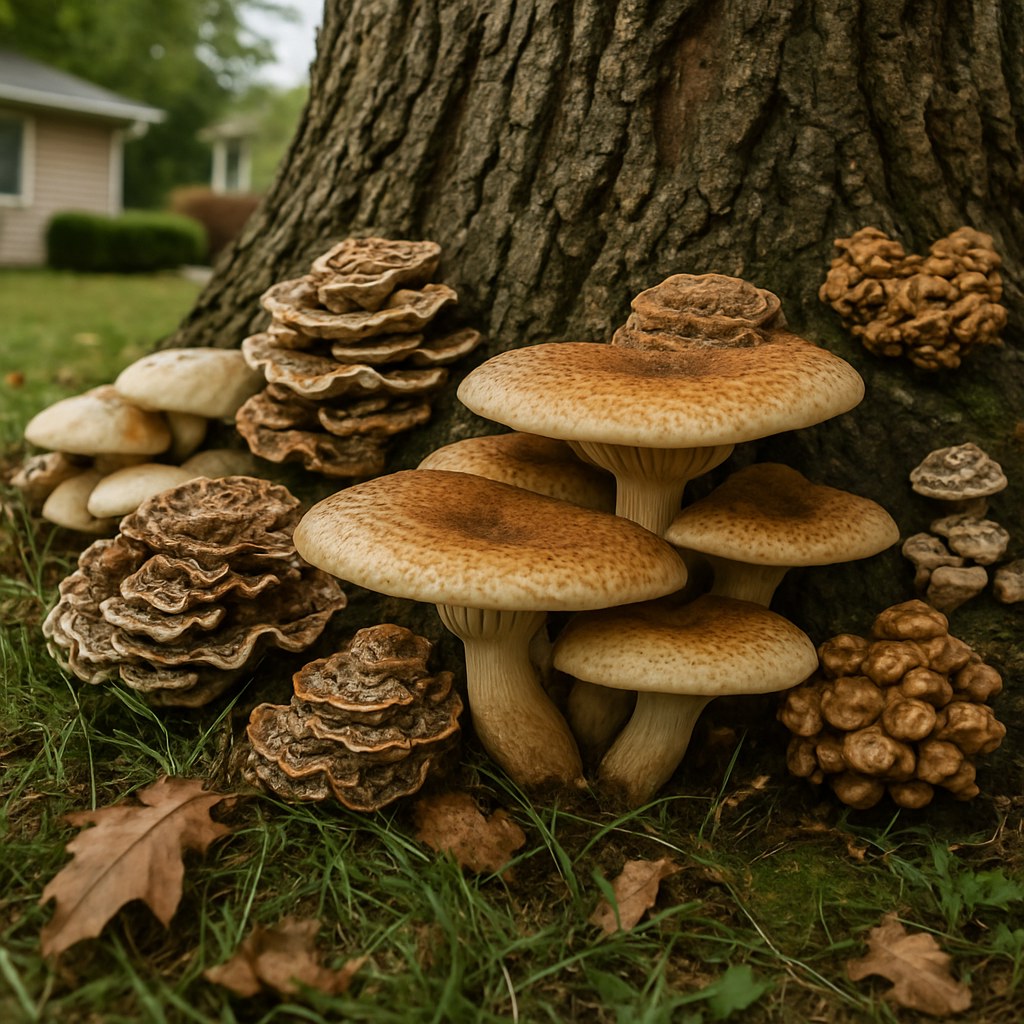
Before we grab any tools, let’s quickly understand what we’re dealing with. Tree rot is primarily caused by fungi. These organisms are experts at breaking down wood cellulose. While some fungi are harmless, others can compromise a tree's structural integrity from the inside out.
Here are the common symptoms that indicate a potential problem:
This initial assessment is the most important part of the process. It will tell you whether you can proceed with a DIY fix or need to pick up the phone. It should only take about 20 minutes.
First, safety. Put on a pair of work gloves and safety glasses to protect yourself from splinters and debris.
Check the Lean from a Distance: Stand back at least 20 feet from the tree to get a full view. Is it leaning? A slight, long-standing lean might be normal for the tree, but a recent or severe lean (more than 15 degrees from vertical) is a major warning sign of instability.
Scan for Dangerous Branches: Walk around the entire tree. Look up into the canopy for any large branches that are broken, hanging, or completely dead. These are often called "widowmakers" for a reason and pose an immediate risk.
Perform the Push Test: Place your hands on the trunk at shoulder height and push firmly. A healthy, stable tree shouldn’t move. If the trunk shifts in the soil or you feel the root plate move, the tree’s anchor roots are likely compromised.
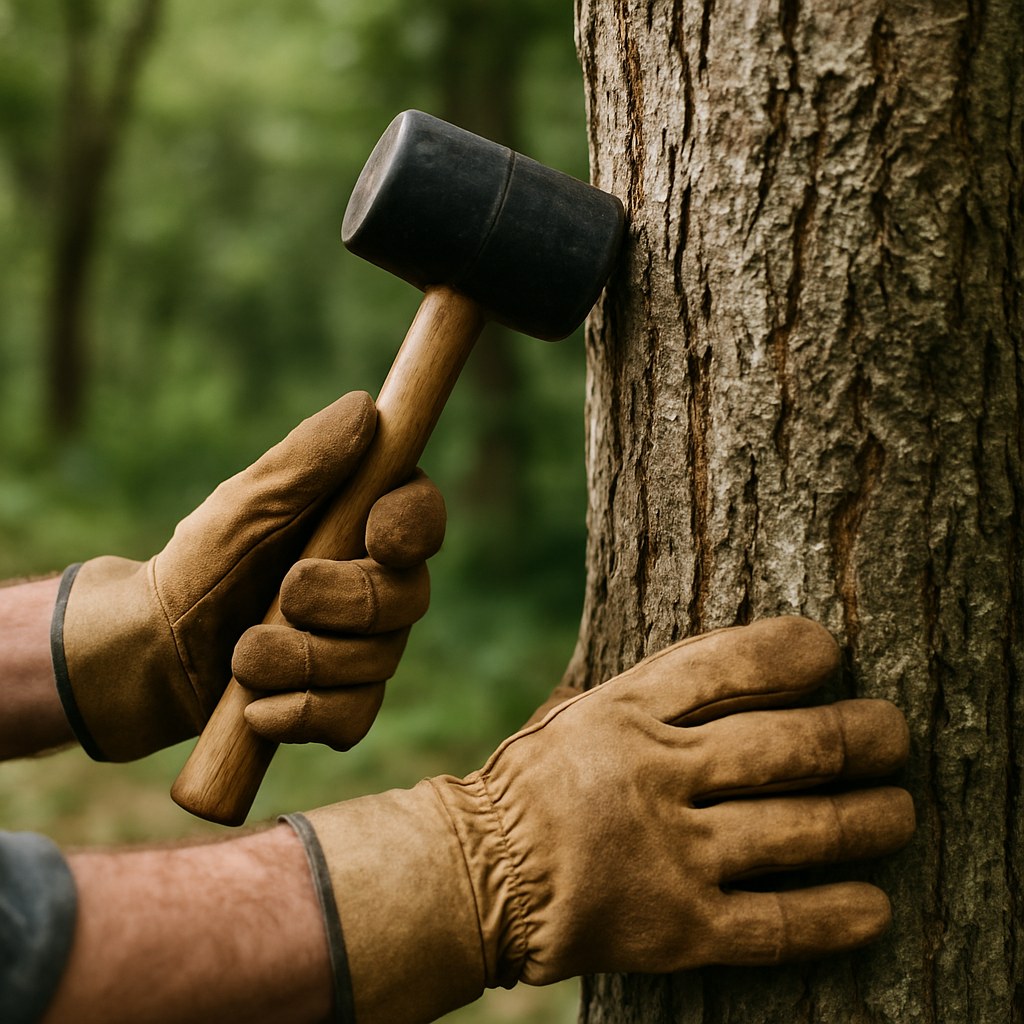
Do the Tap Test: Grab a rubber mallet or a similar blunt object. Tap the trunk at various spots, starting from the base and working your way up as far as you can reach. Listen carefully to the sound. A solid "thud" is good news. A dull, "hollow" sound suggests internal decay.
Inspect the Base Up Close: Now, get down and examine the base and root flare (where the trunk widens to meet the ground). Look for mushrooms, conks, or areas where the wood feels soft and spongy.
Some situations are non-negotiable emergencies. If your assessment revealed any of the following, do not attempt a DIY fix. Call a certified arborist immediately for an inspection.
Call a professional if:
Hiring an arborist for a consultation typically costs between $100 and $200, a small price for professional peace of mind. In contrast, emergency tree removal after a fall can cost thousands and doesn't account for the potential cost of repairing your home or car.
If your tree passed the critical safety assessment—meaning it's stable, has no major hanging branches, and the decay seems localized—you may be able to take steps to manage the issue and improve its health.
This approach is best when the decay is confined to a small patch at the very base (covering less than 20% of the circumference) and the trunk above it sounds solid.
Tools You'll Need: Work gloves, hand pruners, a stiff brush, copper fungicide spray, wood chip mulch.
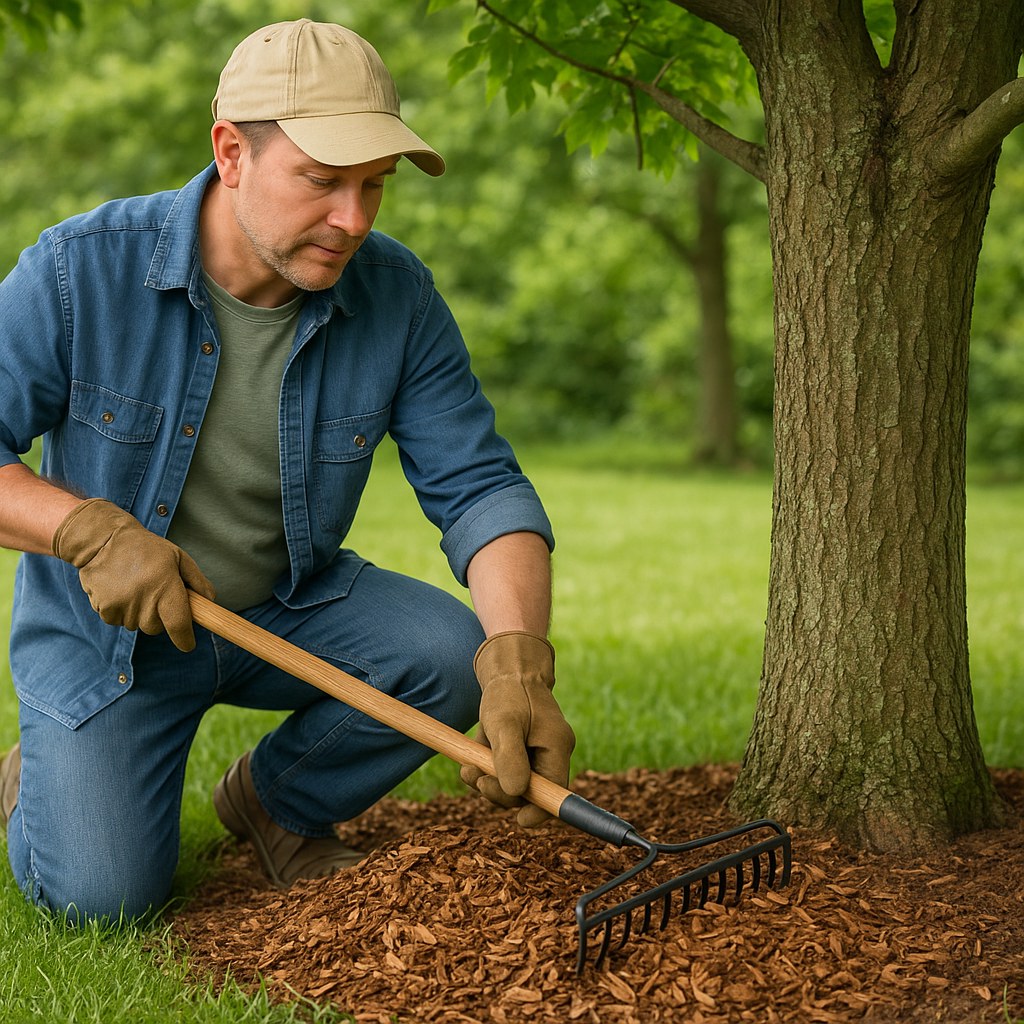
If the issue seems related to overly wet soil and the decay isn't severe, improving the environment around the tree's base can make a huge difference.
Tools You'll Need: Work gloves, hand pruners, a rake, landscape stakes, a bucket of gravel, wood chip mulch, copper fungicide spray.
After performing these DIY treatments, your job isn’t over. A tree with a history of decay needs regular check-ups.
If at any point you feel uncomfortable with the tree's condition or notice the problem getting worse, don't hesitate to schedule a non-emergency consultation with an arborist.
Dealing with a rotting tree can be daunting, but by following a calm, methodical approach, you can effectively assess the risk and take the right course of action. Remember to prioritize safety above all else—a tree can be replaced, but your home and family cannot.
For more expert home maintenance tips, step-by-step repair guides, and easy access to certified professionals in your area, download the Casa app today. Casa empowers you to manage every aspect of your home with confidence, from the foundation to the tallest tree in your yard.